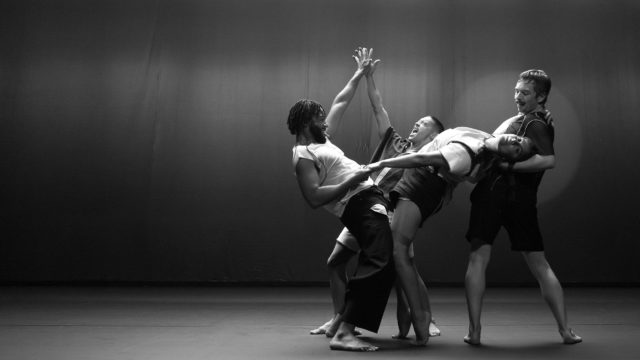
“Super Nothing” dares audiences to reflect on challenging emotions rather than saying “it’s nothing.”
Performed for a UCLA crowd on June 13 and 14 with the school’s Center for the Art of Performance organization, the show explored grief and the act of leaning on others for community-based support, featuring four dancers from Los Angeles and New York City. “Super Nothing” was choreographed by Miguel Gutierrez, an associate professor of choreography at UCLA. He said the show employed “choreography for the end of the world.”
“I feel like we’re in a long, slow decline,” Gutierrez said. “If you look at the kind of arc of what’s happening, it’s not looking good, … and there’s a lot of forces that are actively involved in destroying progress.”
Gutierrez added that he views the Trump administration as undoing the political progress of the past 50 to 60 years. While he understands there is resistance, he said he wonders if humans nowadays are more keen on improving the lives of only certain groups. He added that “Super Nothing” reflected this tension and the ways in which a community can protect itself during such tumultuous times.
The choreography often switched between urgent and calm, Gutierrez said, and the piece became increasingly more urgent as it progressed. The show invited viewers to notice their feelings and question who their allies were, he said. Since the performance premiered in January, Gutierrez said audiences observed how the show answered questions for them about what dance and movement can accomplish. “Super Nothing” encouraged deep feeling and reflection, Gutierrez added. Edgar Miramontes, the executive and artistic director at UCLA’s Center for the Art of Performance, said he thinks the performance challenged viewers to think about struggles in creating community.
“It offers a radical honesty and vulnerability, where Miguel himself and his own body and practice (serve) as a side of inquiry,” Miramontes said. “This kind of vulnerability has redefined what virtuosity can mean in dance, complex and sometimes uncomfortable truths about who we are as humans and how we build community. … It’s not always an easy attempt.”
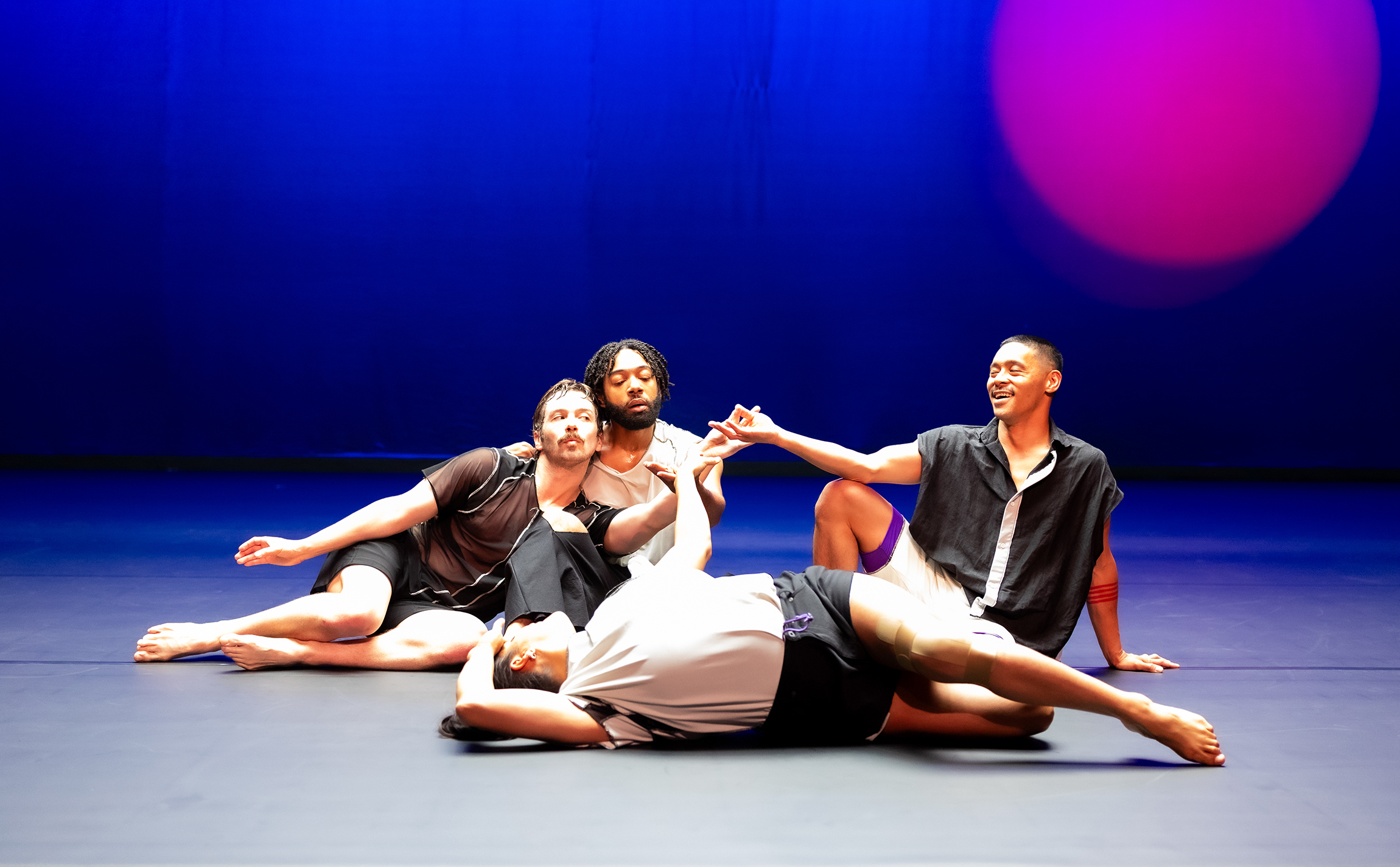
Urgency can also be felt by the dancers. Evelyn Sanchez, a dancer who participated in the production, said the performance taught her how to express herself with clarity and urgency, both during the dance and in her professional life as well, such as when responding to emails. She added that she interpreted the show as a call to recognize and experience the various aspects of dance.
The performance also pushed her interpersonal boundaries, Sanchez said, as she communicated to Gutierrez how she truly felt when she did not enjoy a movement. She said that she viewed performing “Super Nothing” as experimenting with discomfort in a space where it is safe to experience confusing emotions. As a performer who took a break from dancing and then returned to it specifically for this show, Sanchez added that she challenged herself to be sincere and vulnerable.
“How honest can I be in a room? Can I really say the thing that I’m feeling in that moment?” Sanchez said. “It’s usually harder to do. So I push boundaries like that because I feel like they leave rippling effects.”
Dancing in “Super Nothing” was emotionally demanding, she added. Every tour was different since they performed in different cities during various seasons, she said, with Seattle being the most difficult for her thus far. While she is unsure why that specific performance caused her to cry, Sanchez said the choreography was emotionally-charged and offered a significant opportunity for growth.
Sanchez said she hopes the piece encourages people to be more open to new feelings, adding that she wants the performance to serve humanity. Gutierrez said that he hopes “Super Nothing” achieved something through dance that language cannot.
“I have been happy to find out that dance can still do something now in a way that is meaningful to me and to others,” Gutierrez said. “In a time when it feels like language is really failing us and is warped and manipulated to such horrible ends, there’s this other medium that complicates language and that kind of thwarts language.”
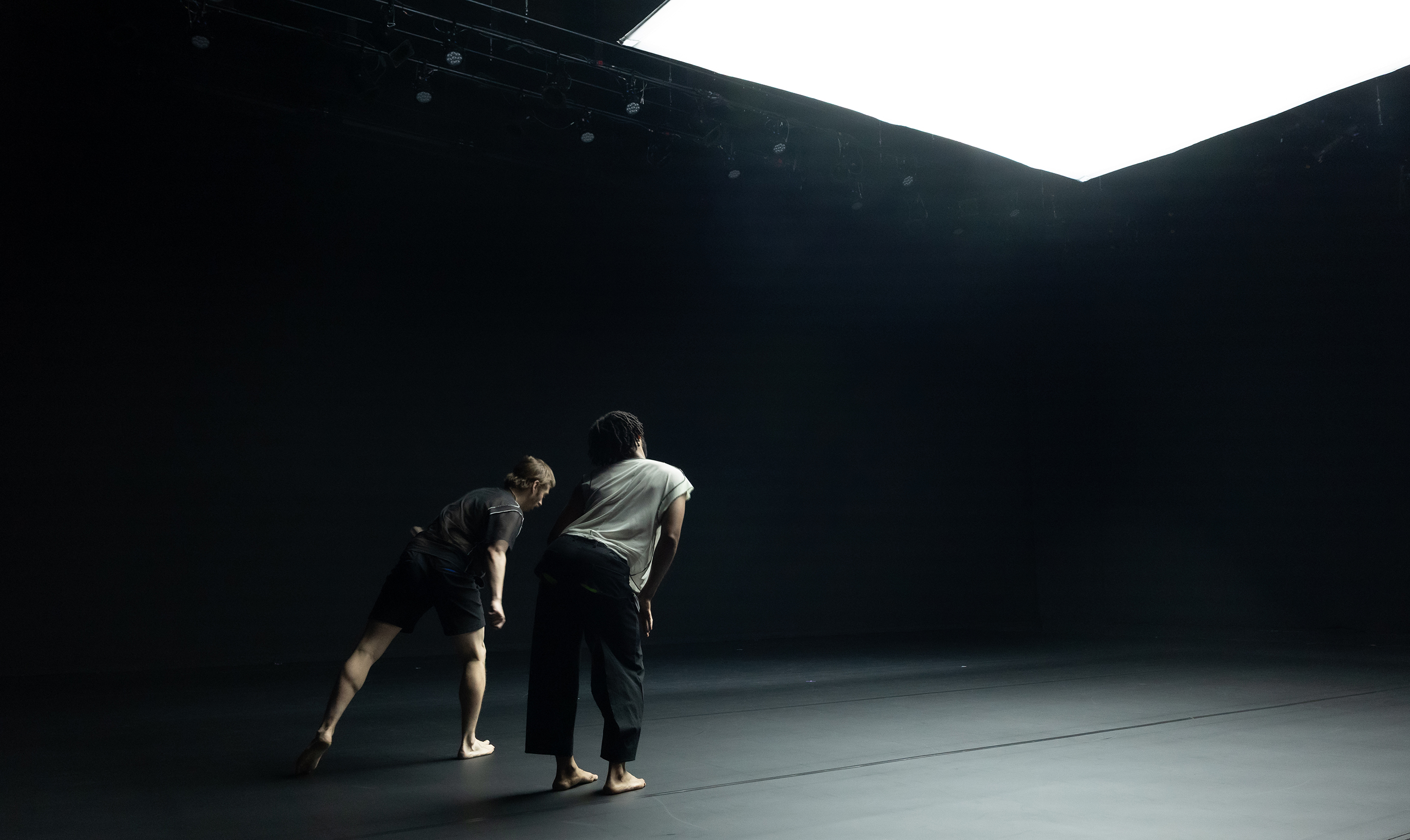
Miramontes said the piece revealed difficult truths that are often ignored, such as being a part of a system someone must involuntarily cooperate with, and through self-reflection, individuals can become transformed. He said he is interested in how “Super Nothing” helped build community with compassion, he added.
“Dance is a form of language that transcends words and feeling in ways that reshapes possibilities of dance and people,” Miramontes said. “Community is a work in progress, … and we’d love to continue to think about engagement with one another and make space for voices and aesthetics that may differ from what we are accustomed to.”

Comments are closed.