This post was updated Aug. 24 at 3:28 p.m.
Dorothy Guo is not ashamed of anger.
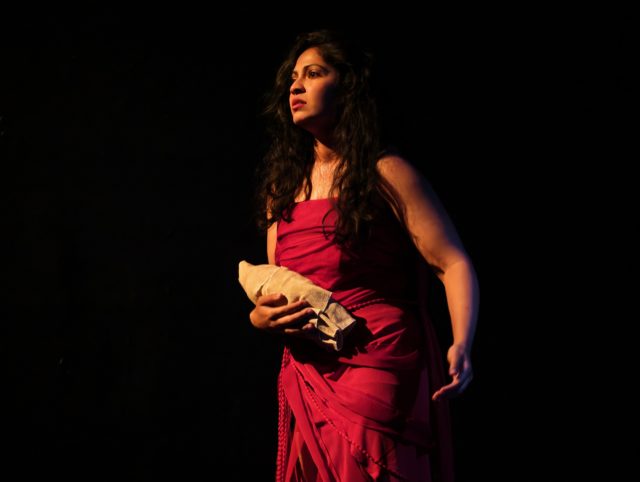
Alongside her friend Yuwen Yang, the rising third-year theater student co-wrote, co-directed and co-produced the play “Her Rage,” which premiered at Hollywood Fringe Festival in June. The story, told in both Mandarin and English, explores female rage through two parallel narratives, blending the Greek myth of Medea with elements from a real Taiwanese murder case. Guo said feminism has always been one of her key interests as an artist, and she thought rage was an important and misunderstood aspect of femininity to highlight.
“Rage can be something that’s very powerful, that represents resistance and a very empowering immunity,” Guo said. “Rage from women … should never be added on any negative connotations.”
Guo said she first realized her passion for theater in high school but added that her exploration was limited because the Chinese public school she attended didn’t offer many theater classes. When she arrived at UCLA, she said she was eager to engage with the hundreds of opportunities offered, from acting in Shakespeare productions to adapting classic scripts. After trying on numerous hats, however, Guo said she felt a calling to express her own story and identity – leading to “Her Rage.”
After years of bonding with Yang over their shared love of theater, Guo said she approached him with the hopes of developing their first joint project. The duo completed their entire writing process online while Yang was in Wisconsin for school, Guo added. While expanding the script from Guo’s general interest in feminism, she said they decided to incorporate their international roots and make the play bilingual.
Yang added that the use of two languages is integral to the story of “Her Rage,” as it conveys issues both immigrants and women face. Both groups are often unable to speak their minds, either because of language barriers or societal constraints, which helps to contextualize the theme of rage, Yang said.
“It (rage) might give you a liberation for some while, but the structure is still there, you cannot break through it,” Yang said. “Women are left with no option than rage to break through this structure.”
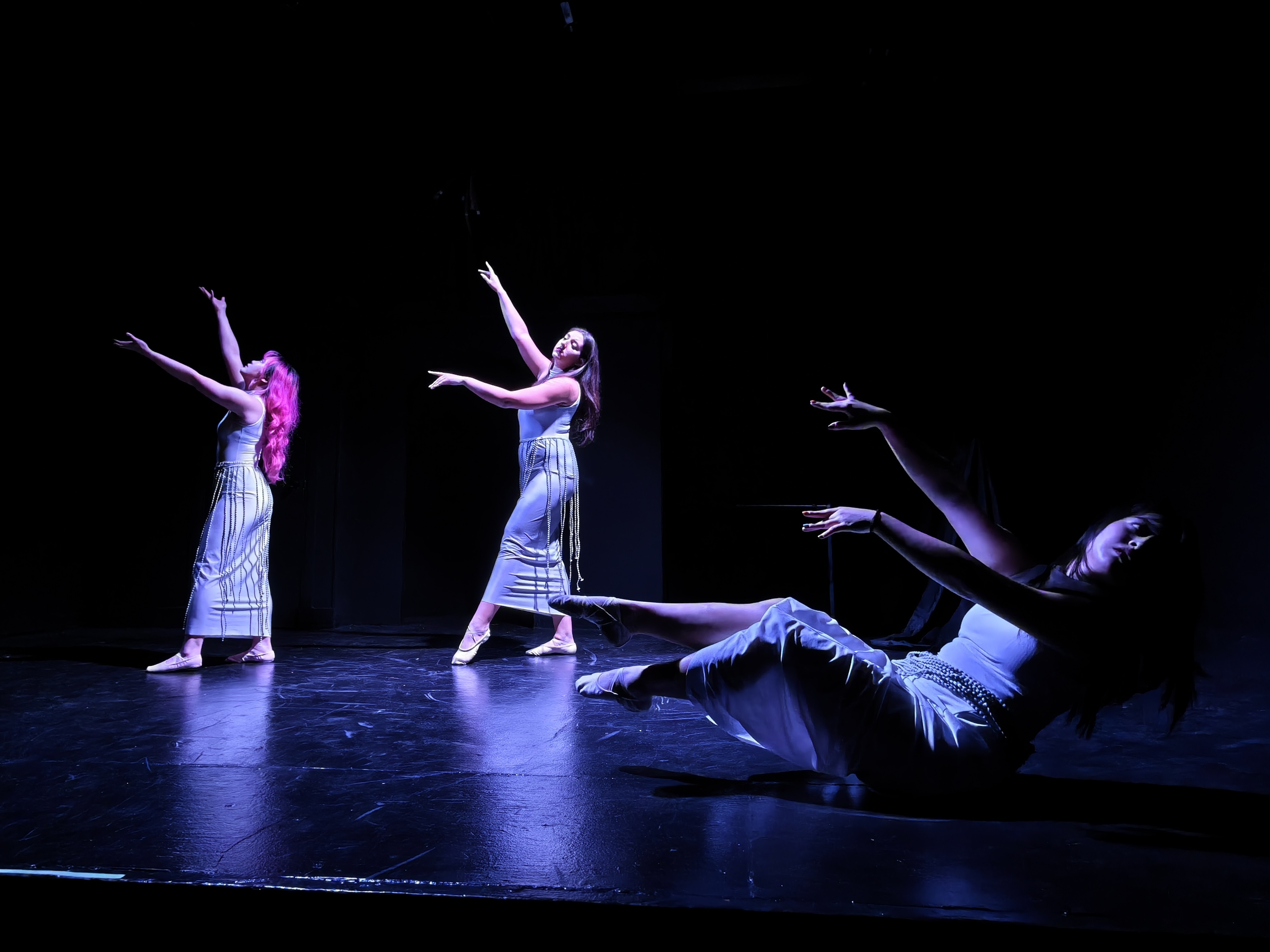
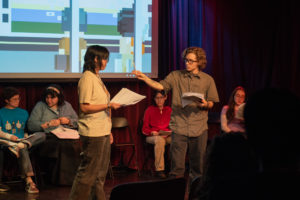
When Guo and Yang’s script was completed, they then stepped into the roles of directors for its world premiere at Fringe. Guo said it was initially difficult to navigate the play’s sensitive themes as younger directors, but added that she was grateful for the professionalism and maturity of the play’s cast. She and Yang continuously discussed boundaries and led various activities to ease the actors into the show’s more intense or violent scenes, she said.
One acting exercise during the rehearsal process involved speaking different languages and trying to express suppressed emotions, Yang said. Sadie C., who played the lead role of Zhao, said she connected with the play’s bilingual storytelling as a Taiwanese immigrant. She considered “Her Rage” to be a standout at Fringe because it featured live subtitles, introducing audiences to a more positive view of multilingualism, she added.
“It should be celebrated that a person speaks two languages,” C. said. “Instead of saying that you’re an outsider, it should be the exact opposite. So, I love that all the audiences have the experience to think about what it is, that people speak two languages.”
Throughout the play’s five showings at Fringe, directing came with a few surprising challenges – such as some subtitle malfunctions – yet Guo said the festival experience was enriching for her and Yang because they were able to learn from a vibrant collective of artists and witness their own impact on the local community. Following the positive feedback “Her Rage” received in Los Angeles, Guo said she and Yang hope to eventually bring the play to other parts of the world, specifically China and Taiwan, where the story is rooted.
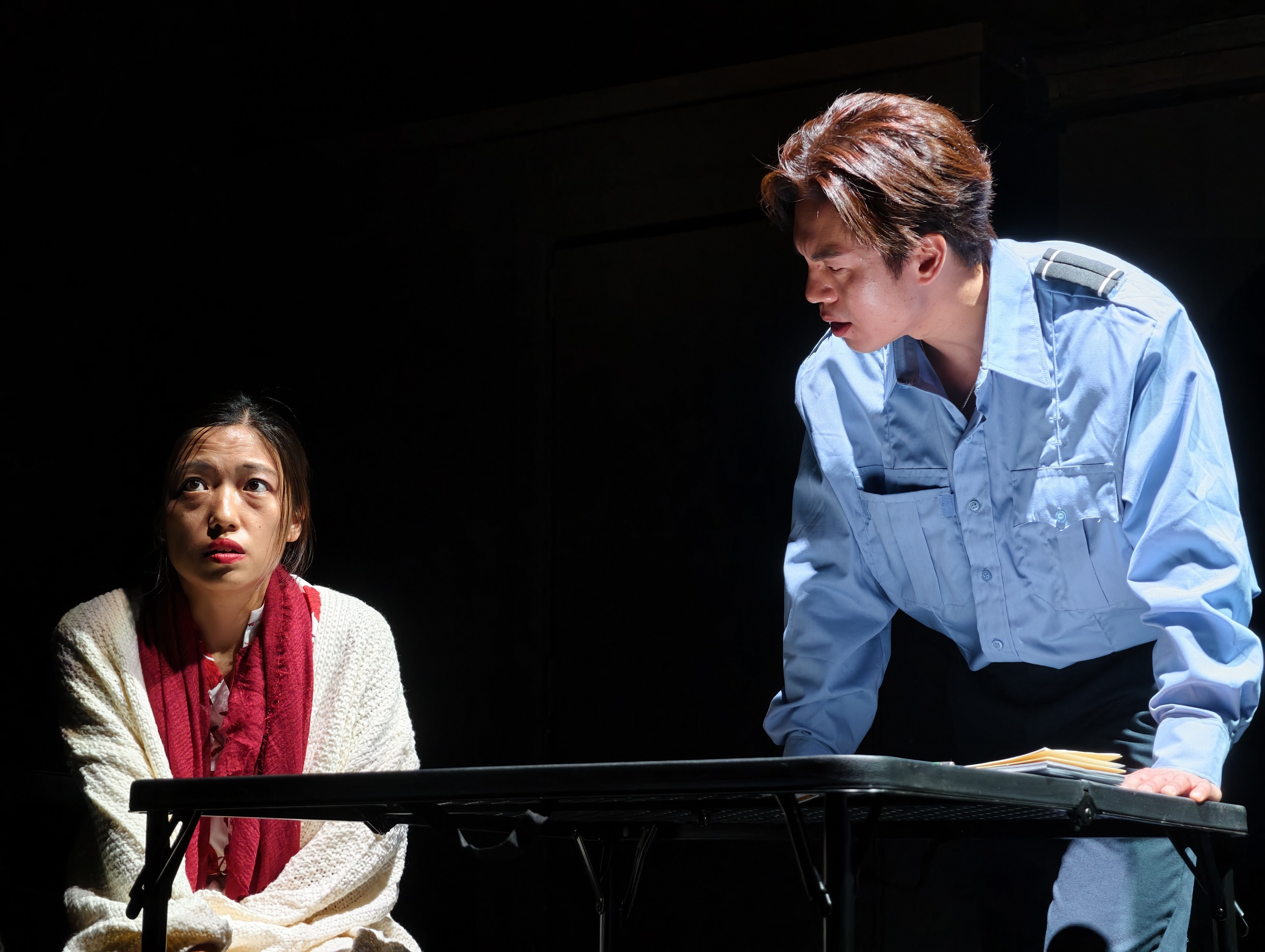
Mahek, who played the role of Medea, said she hopes the story of “Her Rage” can continue to be shared so audiences can understand the intricacies of various obstacles that women face. This powerful message is particularly crucial lately, she added, when women’s autonomy in matters such as childbirth and voting is lacking support.
“I would hope that people could take away how to support women in their everyday life,” Mahek said. “When there’s no choice, that’s when rage arises. So, having people acknowledge that women can be different humans and make their own decisions would be great.”
On an individual level, Guo said working on “Her Rage” ultimately emphasized her love for theater productions that connect closely with her identity. While she doesn’t have any specific plans for her future endeavors, she said her focus is fully set on exploring what it means to be a Chinese female artist at this point in time. Guo added that she hopes to uplift the talents of international artists through her work, especially during a difficult period when they might not feel valued.
“It’s really challenging for international students, so I think I would definitely try more to advocate for our community and … use theater and art as a medium to deliver our community’s message,” Guo said. “We have power, and … we want to do more art for the world.”


Comments are closed.