This post was updated Sept. 8 at 11:15 p.m.
The Getty’s newest exhibition shows there is nothing static about art.
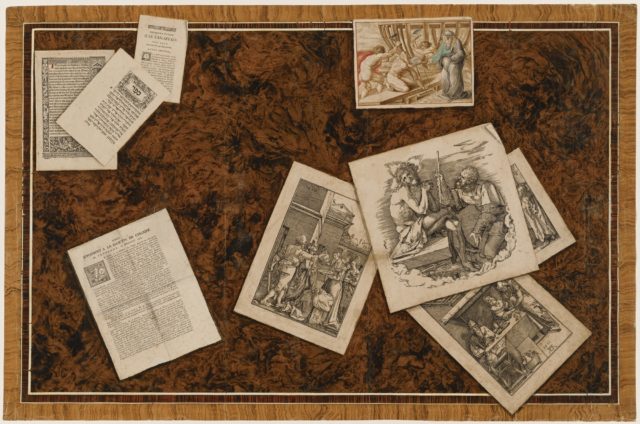
Running until Sept. 14, “Lines of Connection: Drawing and Printmaking” explores the relationship between the two art mediums. Co-curated by Edina Adam and Jamie Gabbarelli, the exhibit addresses the misconception that drawing and printmaking are two separate, individual techniques, Gabbarelli said. Focused on the different ways the two media intertwine, Adam, the Getty’s assistant curator of drawings, said “Lines of Connection” highlights the existing artwork between the two art categories, as in reality, artists are rarely exclusive to a single technique, often navigating fluidly between crafts.
“In a sense, it was a way for us to demonstrate that instead of this relationship being hierarchical, or hierarchically ordered scholarship, it is quite an equal relationship where influence goes both ways,” Gabbarelli said.
The exhibition is divided into four categories, with each representing a particular form of connection between the two art techniques, Adam said. Through this system, visitors can expect to see pieces combining the two styles known as hybrids – drawings used as preparation for prints known as models, prints that mimic drawings and drawings recreating prints.
[Related: Paris Spies-Gans uncovers overlooked contributions of women artists in history]
Gabbarelli, who is also the Prince Trust associate curator in prints and drawings at the Art Institute of Chicago, said the collection on display ranges from work dating to the development of printmaking in the 15th century to the mid-19th century, when photography altered the relationship between drawings and prints. Nevertheless, the overall collection does not look to create a chronological account, but rather allows the works to speak for themselves, he said.
“We didn’t want to present a big, grand narrative, ‘This is what happened,’ because these relationships are very complex,” Gabbarelli said. “We wanted to show the dynamics – the types of relationships or the types of exchange – rather than summarizing it into a historical narrative.”
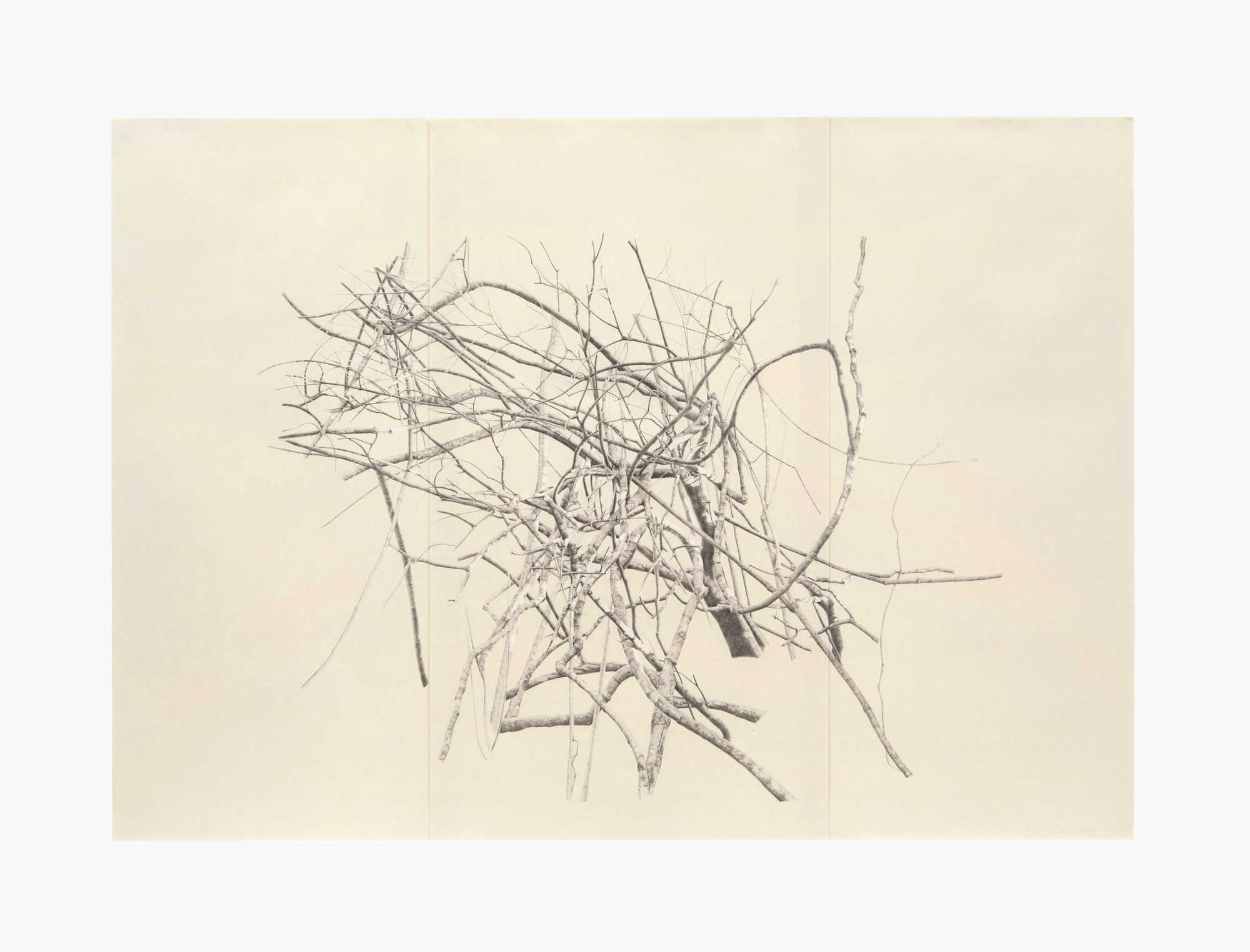
First inaugurated in Chicago, the Getty’s “Lines of Connection” shares almost the same pieces as the first installation, with the Chicago installation having around 20 more works due to a difference in space, Adam said. The decision to bring the exhibition to Los Angeles – besides being where Adam is based – came from the parallelism between the city’s art culture and the exhibition’s themes, she added. For this reason, the Getty has an exclusive element which displays works from LA artist Toba Khedoori, who uses painting, printmaking and drawing in her work, Gabbarelli said.
When it came to selecting the collection of works, Adam said having four categories made it easier to select pieces. She said a majority of the works came from the Art Institute and the Getty’s archive, as these were familiar pieces both curators had unlimited access to. After this internal selection, Adam said they proceeded to research external works that could complement what was already built, borrowing from places such as the British Museum, the Museum of Fine Arts, Boston and private collections.
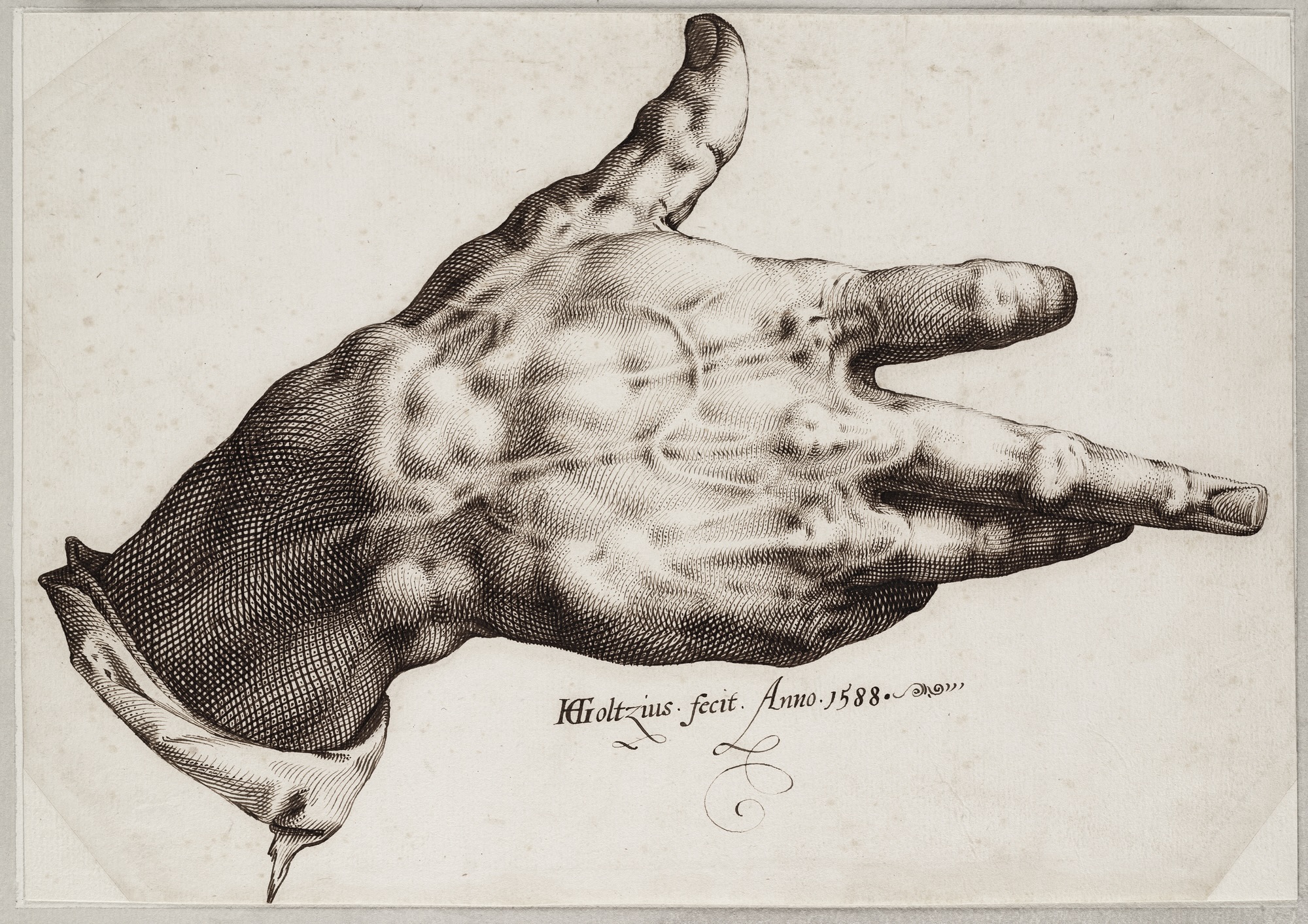
The final list of works includes etching pieces – a printmaking technique consisting of a copper plate covered in an acid-resistant solution. The method, Adam said, is comparable to drawing, as the artist traces the design over the plate’s layer. When submerged in an acidic solution, this will eat through the traces, creating a type of stamp, she said. In addition, techniques such as relief prints and drawings are also on display, like two drawings of a right hand made by Hendrick Goltzius, Adam added. These pieces, she said, were particularly exciting since it is the first time in decades both works have been exhibited together.
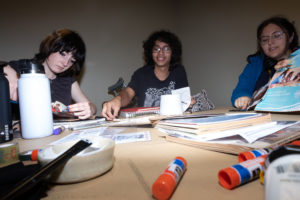
Additionally, “Lines of Connection” is accompanied by a free, drop-in workshop organized by the Getty’s education department and the community organization Self-Help Graphics and Art. Cathy Carpenter, a Getty senior public programs specialist, said those attending the workshop can experiment with relief printmaking, choosing between the many Getty-inspired designs to carve on a foam block to create their own prints, which they can frame and take home. The activity, Carpenter said, was created as part of their family series, as they felt the exhibit’s themes could be interesting for all ages. This way, she said, the workshop looks to shed a new light on printmaking, making it a “multi-generational” activity.
“When you walk into a gallery, it’s done. You don’t get to see the process. So one, it’s making what’s invisible visible. It’s giving people a chance to not only learn about the process, but do it,” Carpenter said. “There’s something about doing something yourself physically that is really eye-opening.”
Although drawing and printmaking are often seen as niche techniques, Gabbarelli said the exhibition addresses relatable art forms, as drawing is something most people have experimented with, and printmaking is often seen in everyday life. This way, he said, visitors have been able to reflect on art they are often surrounded by, making it easier to connect with the pieces and their process.
[Related: Getty Center interns share interpretations of newly exhibited medieval manuscripts]
Similarly, Adam said she has noticed those visiting the exhibit take their time to observe and compare each piece, something she hopes people will continue to do, as the work on display is meant to be engaged with. As for the impact of the exhibition, Gabbarelli said the project is the first aiming to create an accessible introduction to this vast subject, which he hopes will encourage other scholars to dig deeper into.
“The exhibition celebrates creativity, and that’s something that anyone can relate to,” Adam said. “But it also touches upon themes such as trust and control when we discuss collaborative projects – I think that that’s, again, quite relatable.”


Comments are closed.