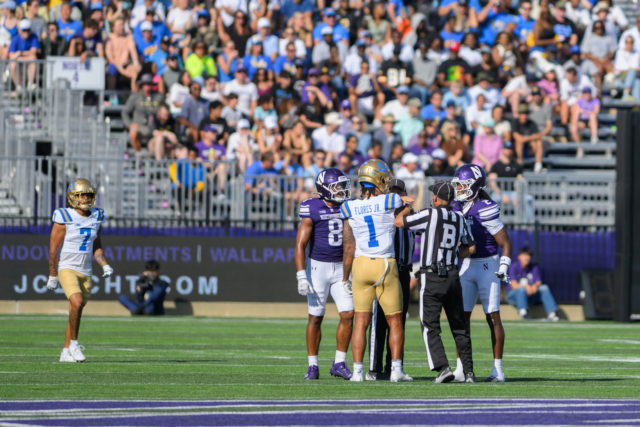
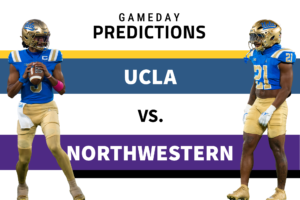
UCLA football’s (0-4, 0-1 Big Ten) second season in the Big Ten promised new horizons. Instead, the Bruins find themselves in a dire situation. Their 17-14 loss against Northwestern on Saturday extended a winless start amid the removal of head coach DeShaun Foster and the departure of defensive coordinator Ikaika Malloe and cemented them in the basement of the Big Ten. Daily Bruin senior staffer Una O’Farrell gives her take on the Northwestern defeat – and what it reveals about where the Bruins stand today.
Foster’s exit, Skipper’s debut
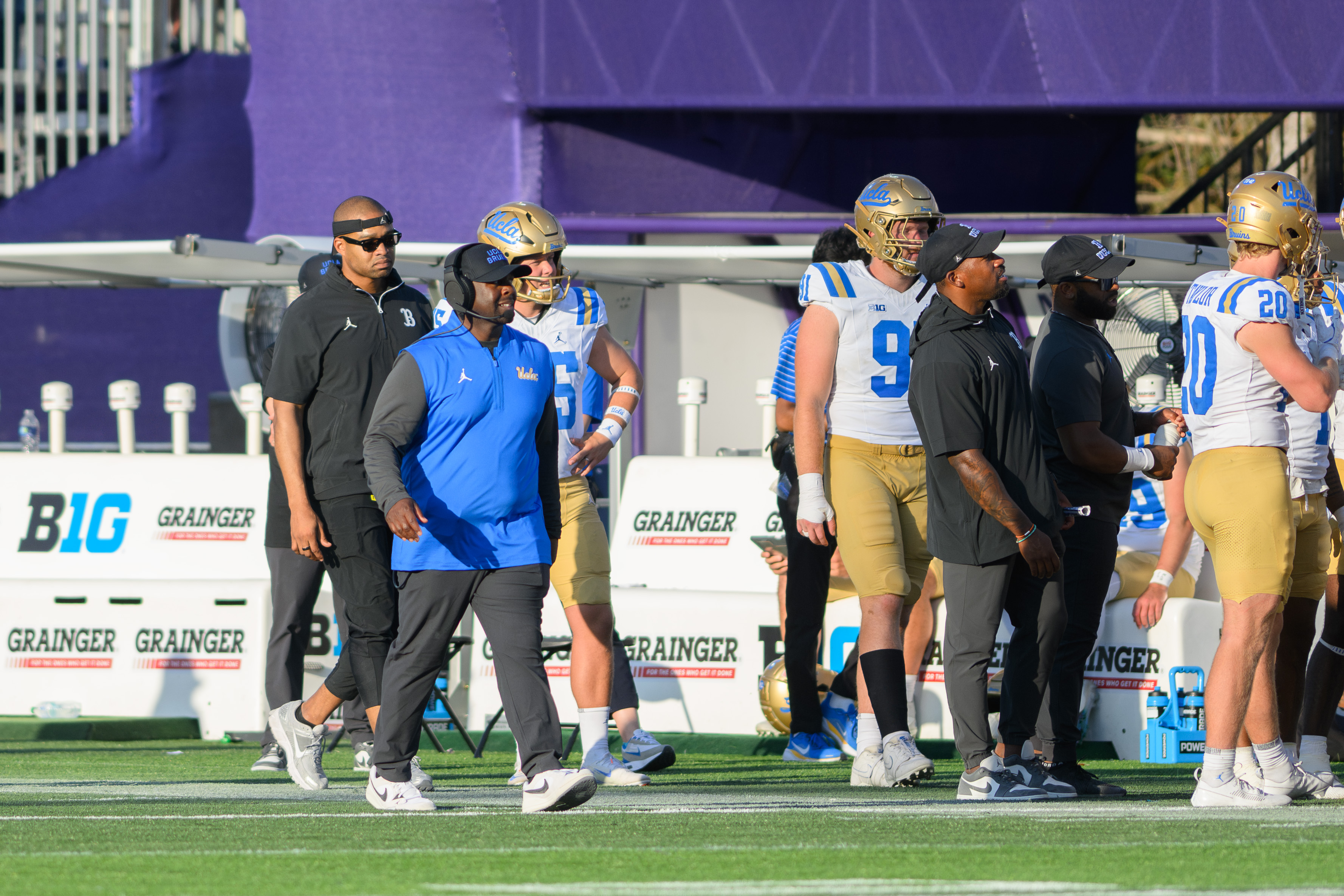
Saturday marked Tim Skipper’s first game as UCLA’s interim head coach after athletic director Martin Jarmond dismissed DeShaun Foster on Sept. 14.
The move came after the Bruins opened their season 0-3, the program’s worst start since 2019, with losses to Utah, UNLV and New Mexico – the last sparking Foster’s exit.
Skipper had prior interim head coaching experience at Fresno State, leading the Bulldogs to a 7-7 record across the last game of 2023 and all of 2024. But his Bruin debut reflected the scale of the challenge ahead.
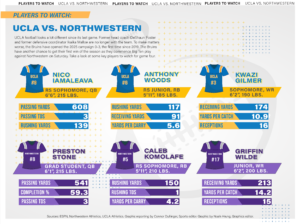
UCLA’s offense remained stagnant for much of the first half, managing just three points before halftime. And the defense stayed vulnerable to the run game, where tailback Caleb Komolafe ran for 119 yards and a touchdown, registering a 4.4 yards per carry clip.
The defeat to Northwestern also exposed holes in the secondary. While quarterback Preston Stone’s line of 115 yards and a touchdown were nothing to write home about, he managed the game and the clock, giving the Wildcats long drives that resulted in 34:21 in time of possession.
Stone’s crutch was wide receiver Griffin Wilde, who garnered seven receptions for 98 yards and a score.
UCLA’s loss underscored how fragile this season and this team have become.
Stabilizing the program during Skipper’s interim tenure is less about salvaging 2025 wins and more about preventing a complete collapse.
Slow starts remain fatal
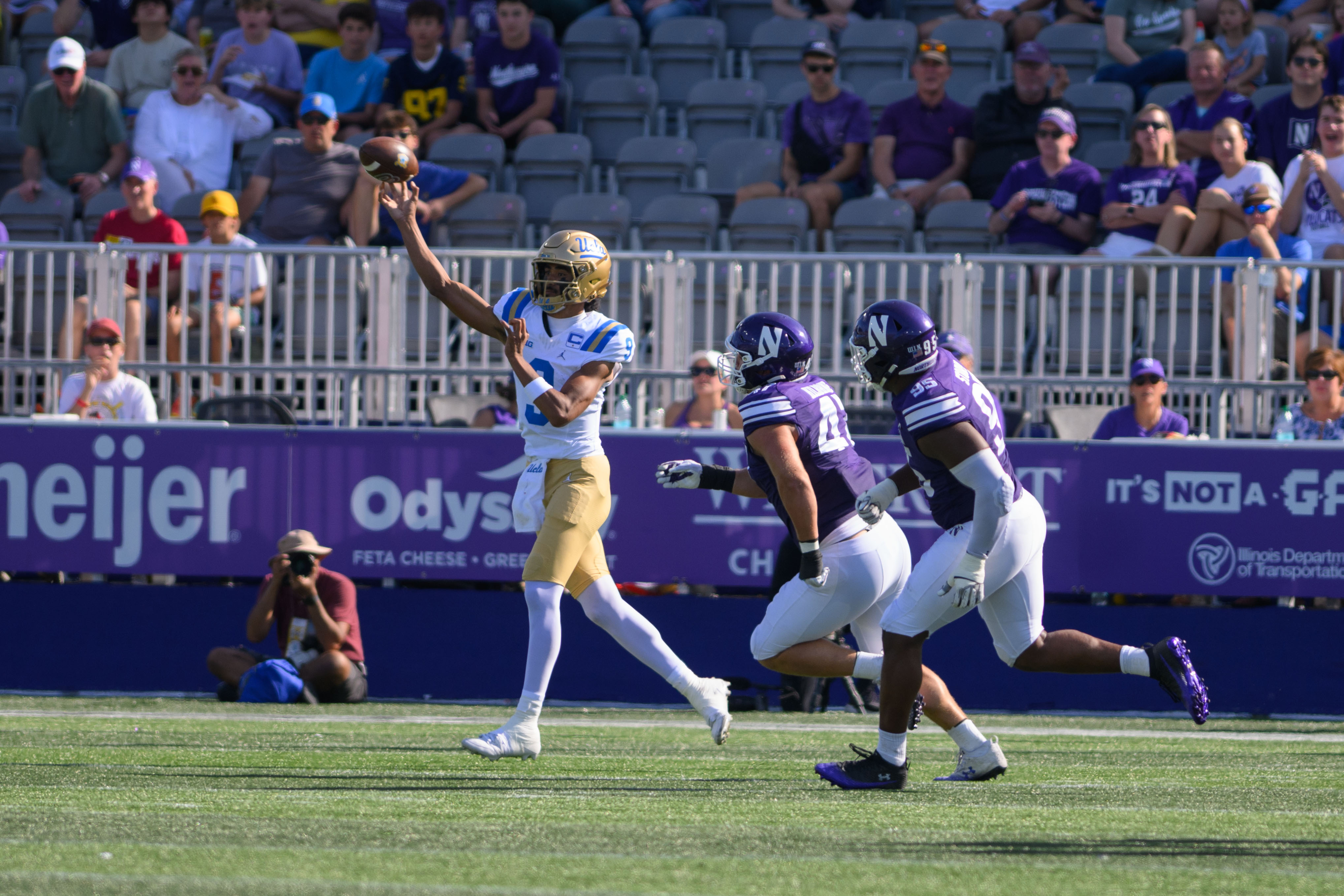
Northwestern struck early and never allowed UCLA full breathing room.
The Wildcats scored on their first three drives, including a 33-yard field goal, a 9-yard rush and a 10-yard pass, to stake a 17-point lead before UCLA could ever find traction.
By halftime, the Bruins had managed only a 28-yard field goal, which came at the twilight of the half, trailing 17-3.
The early deficit forced UCLA to play from behind, making the rest of the game a comeback chase.
In total yardage, the game was nearly even, with UCLA only trailing its opponent by three yards – but that balance meant little when the Bruins wasted time clawing to erase deficits.
The biggest takeaway is how little has changed: UCLA has yet to lead in any game this season.
And when it’s consistently behind, it gives up control of managing the clock, aggressiveness and maintaining any sense of momentum.
Against Big Ten squads built for physical domination, being the chaser or attempting to play catch-up is a recipe for disaster.
Defense showed fight but not consistency

Northwestern built its lead quickly with a 33-yard field goal and two short touchdown drives.
These three trips from the Northwestern offense showed Bruin fans exactly what they already knew: The defense could not stop a parked car.
Multiple times, Northwestern’s offense opted to run the ball up the gut on third-and-long, insulting the UCLA defense. The Wildcats’ confidence to run in those situations illustrates the overarching problems that exist: the Bruins cannot tackle, and they are weak in the trenches.
Wilde’s ability to find open space on third and fourth down also exposes the glaring weaknesses that exist not only in the secondary but also in the Bruins’ inability to execute in key situations.
But after halftime, the Bruins’ defense tightened, blanking the Wildcats across the final two quarters. The adjustments prevented a blowout and gave the Bruins a chance to rally late.
Still, the damage had been done. UCLA’s inability to execute across a full four quarters remains a recurring theme.
For a team facing one of the toughest schedules in the country, defensive lapses at the start of games will make comebacks nearly impossible.
Discipline and late-game execution
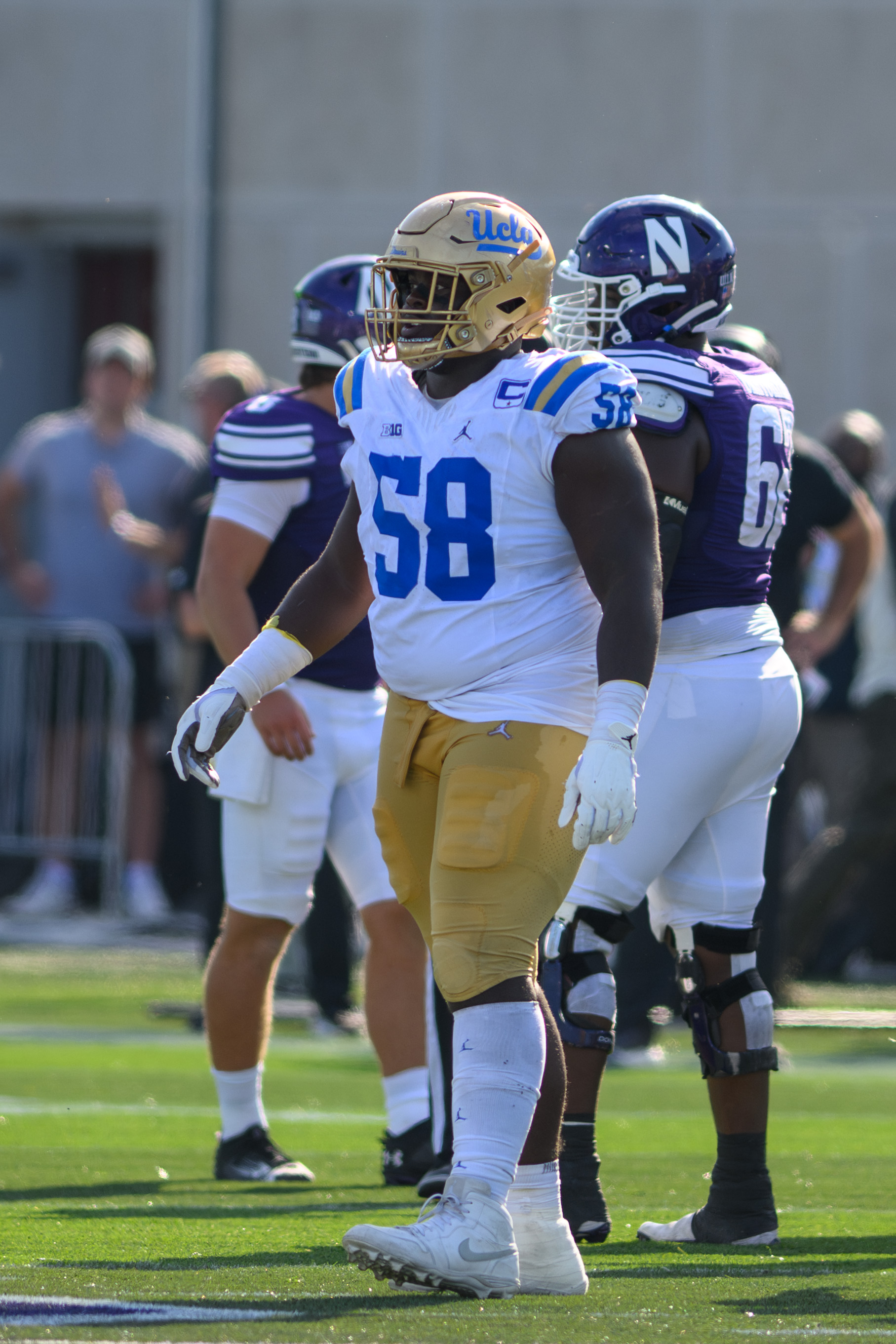
The Bruins were flagged six times for 60 yards, compared to just two Northwestern penalties. Several came at critical junctures, stalling drives or extending the Wildcats’ possessions.
Despite discipline remaining a key pillar in the Bruins’ program and locker room, it has been nonexistent in 2025.
The team’s lack of discipline extended to its clock management, game operation decisions in the second half and inability to execute in the red zone. Most notably, the Bruins’ decision to kick a field goal late in the third – after not converting from the Wildcats’ seven-yard line – led to an almost 10-minute Northwestern drive that ended in three points.
Even with a chance to tie or win in the final minutes, UCLA just could not capitalize. Twice in the last three minutes, the Bruins had the ball with an opportunity to reach field goal range, but protection ultimately broke down.
A key sack of Iamaleava in the final minute sealed the defeat.
These breakdowns are symptomatic of a larger issue: UCLA has not executed cleanly in high-pressure moments. Until that changes, close games will continue to slip away.
Looking ahead
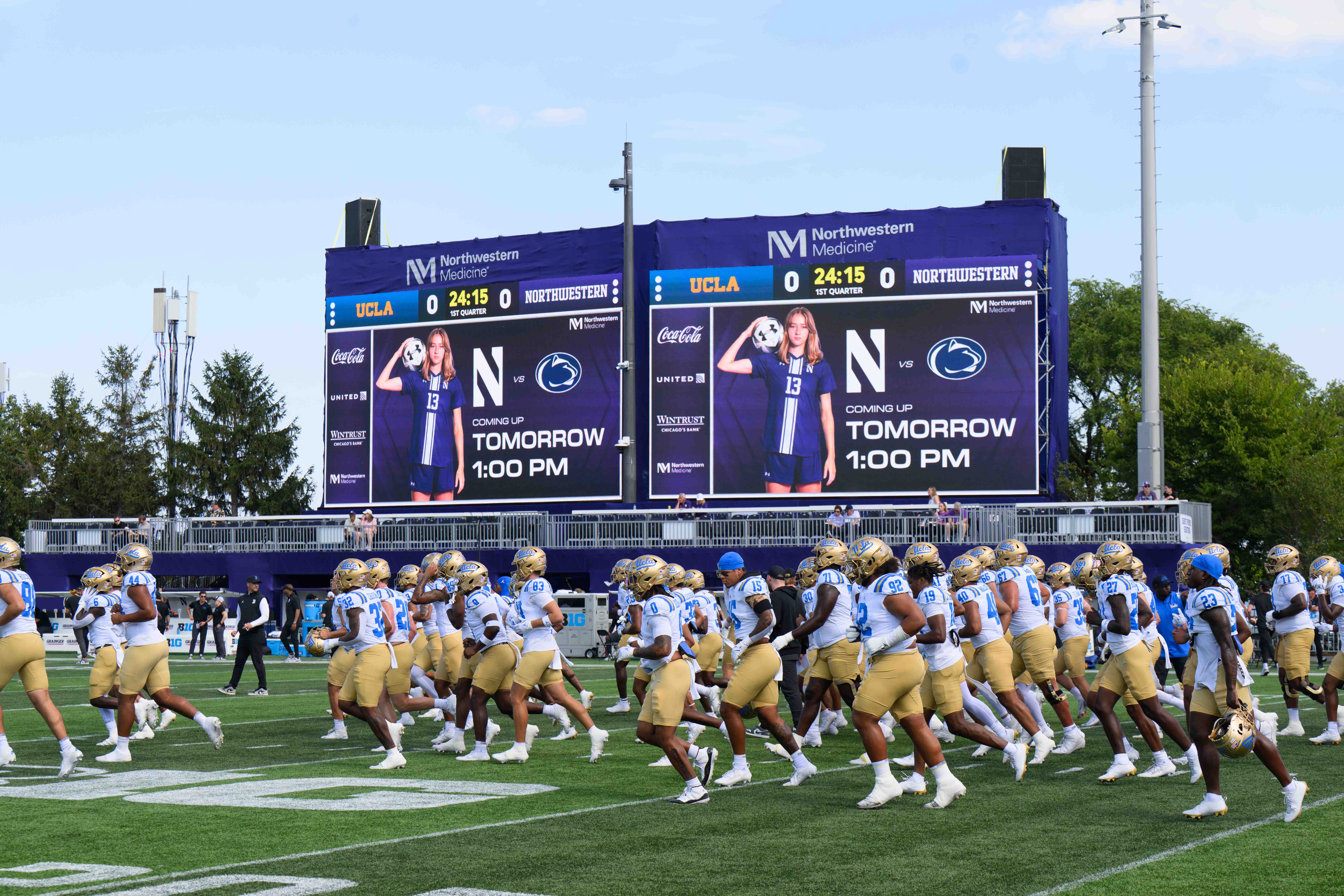
At 0-4, the Bruins now face the heart of their Big Ten slate: matchups against No. 7 Penn State, No. 1 Ohio State, No. 8 Indiana, USC and Michigan State.
With recruiting decommitments mounting and the transfer portal window wide open after the removal of Foster, UCLA’s season is about more than wins and losses.
The Bruins’ 2025 season is already compromised.
The rest of the year will be about damage control: holding the roster together, minimizing departures and identifying a head coach who can rebuild credibility.
The Northwestern loss simply made that reality unavoidable.

Comments are closed.