This post was updated Nov. 9 at 11:25 p.m.
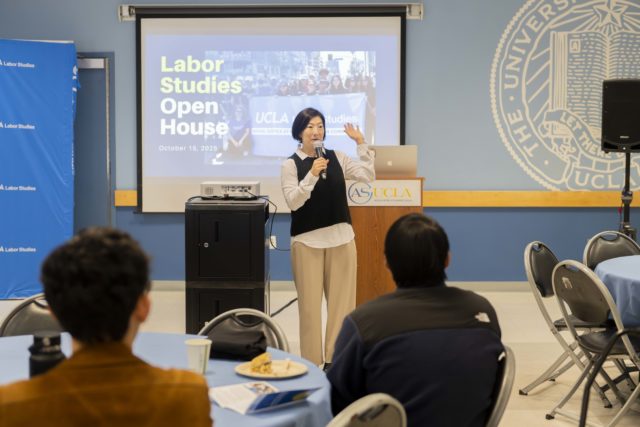
UCLA became the first UC campus to launch an academic department dedicated to labor studies this fall.
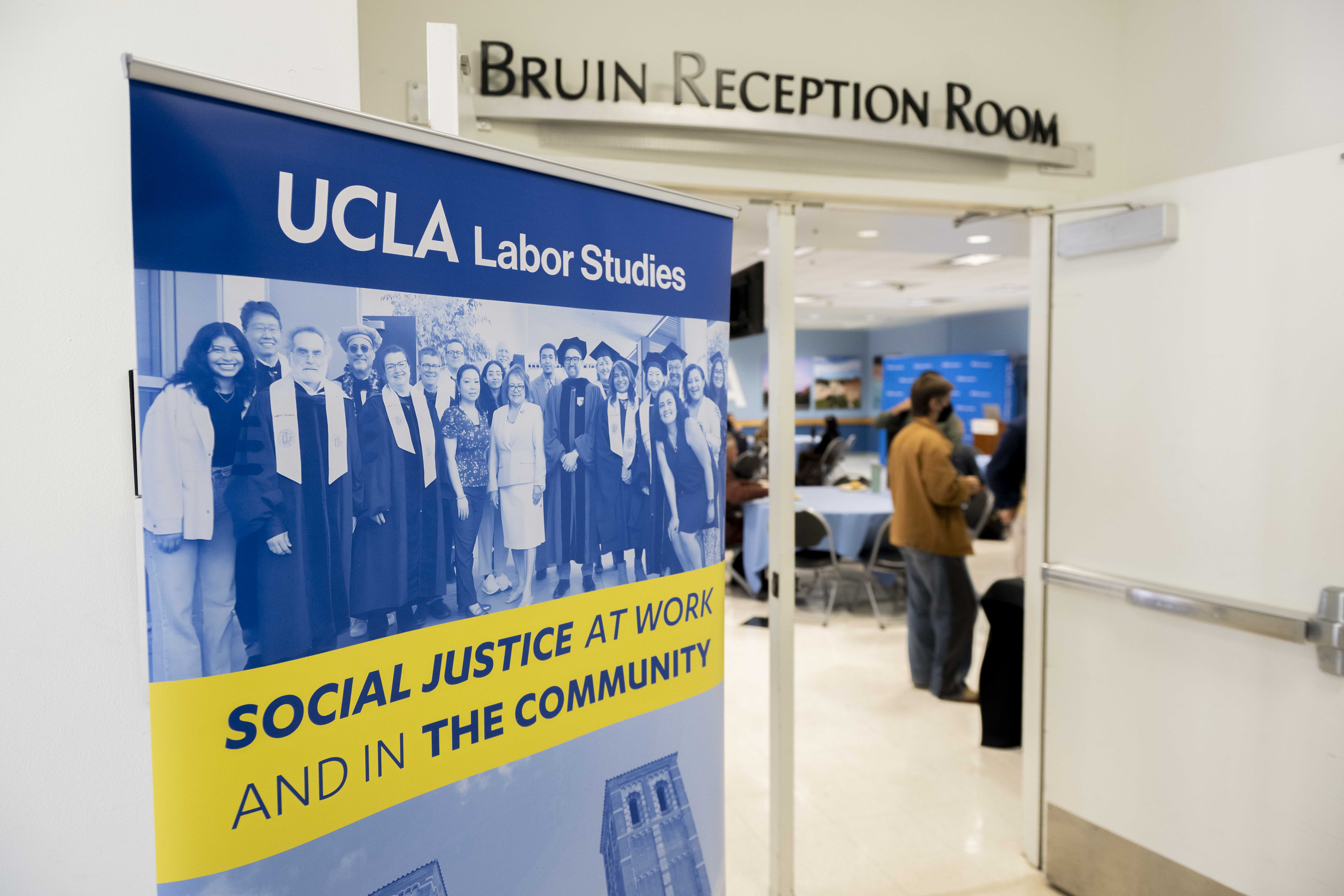
UCLA Labor Studies – which was previously an interdepartmental program in the College of Letters and Sciences – currently offers major and minor programs for undergraduate students. However, the department plans to expand its course offerings, appoint more faculty and eventually offer a master’s degree program, according to the UCLA Institute for Research on Labor and Employment website.
Jennifer Chun, the interim department chair, said she believes it was time for UCLA to acknowledge that its labor studies courses are important producers of knowledge that are “rooted in community.” She added that she believes the new UCLA department will change the way people think and talk about labor.
UCLA’s labor studies courses explore social problems related to labor and inequality, as well as how work impacts society, politics and law, Chun said.
“We really study how people try to change the world by improving their conditions of work, by strengthening our right to form collective organizations like unions and to actually have a collective voice in how our workplaces operate,” Chun said. “I think that’s really an important thing that labor studies teaches us – is actually how to make change and how to do it through our collective organizing.”
Students in the major must complete a capstone course that exposes them to one of four sectors: labor-related community organizations, worker centers, labor coalitions or labor government agencies – according to the UCLA IRLE website. In addition, the course is designed for students to examine how socioeconomic and political contexts shape workers’ experiences.
The requirement can be completed either through a class during the school year or through the Labor Summer Research Program, in which students engage in field work and applied research for 15 hours a week.
Diego Bollo, the president of the Undergraduate Students Association Council and a fourth-year labor studies and political science student, said – as someone whose family has an immigrant background – witnessing how labor unions have advocated for immigration reform inspired him to pursue the labor studies major.
“I’ve always admired how advocates have been able to fight for immigration reform, address economic inequality, promote social welfare programs,” Bollo said. “A lot of the people that have really been doing that are unions and organized labor,” Bollo said.
UCLA Labor Studies professors provide on-the-ground opportunities for students, Bollo said.
“Our professors are actual practitioners,” Bollo said. “They do the work on the field with labor, with organizations, with students and do their academics, but they’re also practitioners. They really want to promote and build the new generation of labor leaders.”
Carmen Recinos, a fourth-year sociology student minoring in labor studies, said they believe that more students pursuing labor studies gives hope for change toward fairer workforce policies.
Recinos added that they have enjoyed how hands-on the labor studies curriculum is, with some classes requiring community service through experiences like attending a labor movement or helping with local labor organizing.
“With labor studies becoming a department, we’re able to work more with the faculty, more with the students and really talk and connect,” Recinos said.
Chun said the labor studies department is important because work is something that impacts everyone.
“All the ways that we work are so connected to so many other basic needs in our life and so we have to study these connections,” Chun said.

Comments are closed.