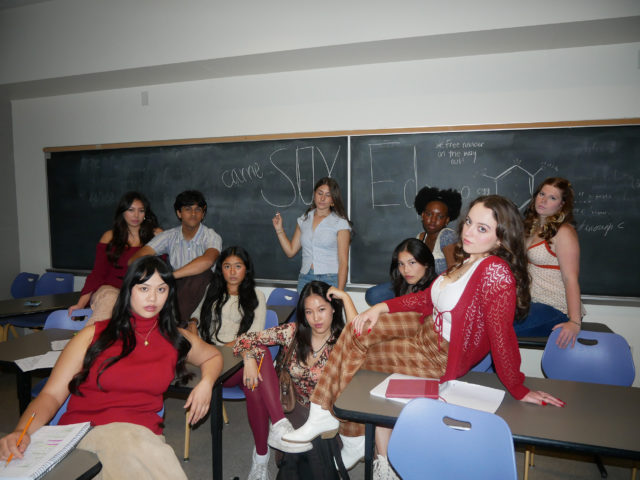
HOOLIGAN Theatre Company is out for pig’s blood in its production of “Carrie: The Musical.”
In the stage adaptation of author Stephen King’s debut novel “Carrie,” Protagonist Carrie White, a seventeen-year-old girl facing religious abuse, discovers her telekinetic abilities and – after being doused in pig’s blood at her senior prom – murders her fellow classmates. “Carrie: The Musical” centers on the growing power and confidence that Carrie develops in her coming of age. Performances of the show are Dec. 6 and 7 at 2 p.m. and 7:30 p.m. in the Freud Playhouse, and tickets are free for all undergraduate students. Scenic designer and fourth-year theater production design student Jesus Parrilla said “Carrie: The Musical” was a dream show for him because of his love for and connection with the source material.
“We see her (Carrie’s) growth – becoming her own person and standing up against her mom and her classmates,” Parrilla said. “It is important to show how there is beauty in that chaos of finding yourself.”
The production combines elements of King’s novel, the 1976 film adaptation and the 1988 Broadway musical, said fourth-year political science student Amelie de Leon, the show’s executive producer. De Leon said she picked “Carrie: The Musical” as the next HOOLIGAN performance because of its tone and theater history.
“It’s a very ‘camp’ show,” de Leon said. “It’s very famous for being the biggest flop in Broadway history.”
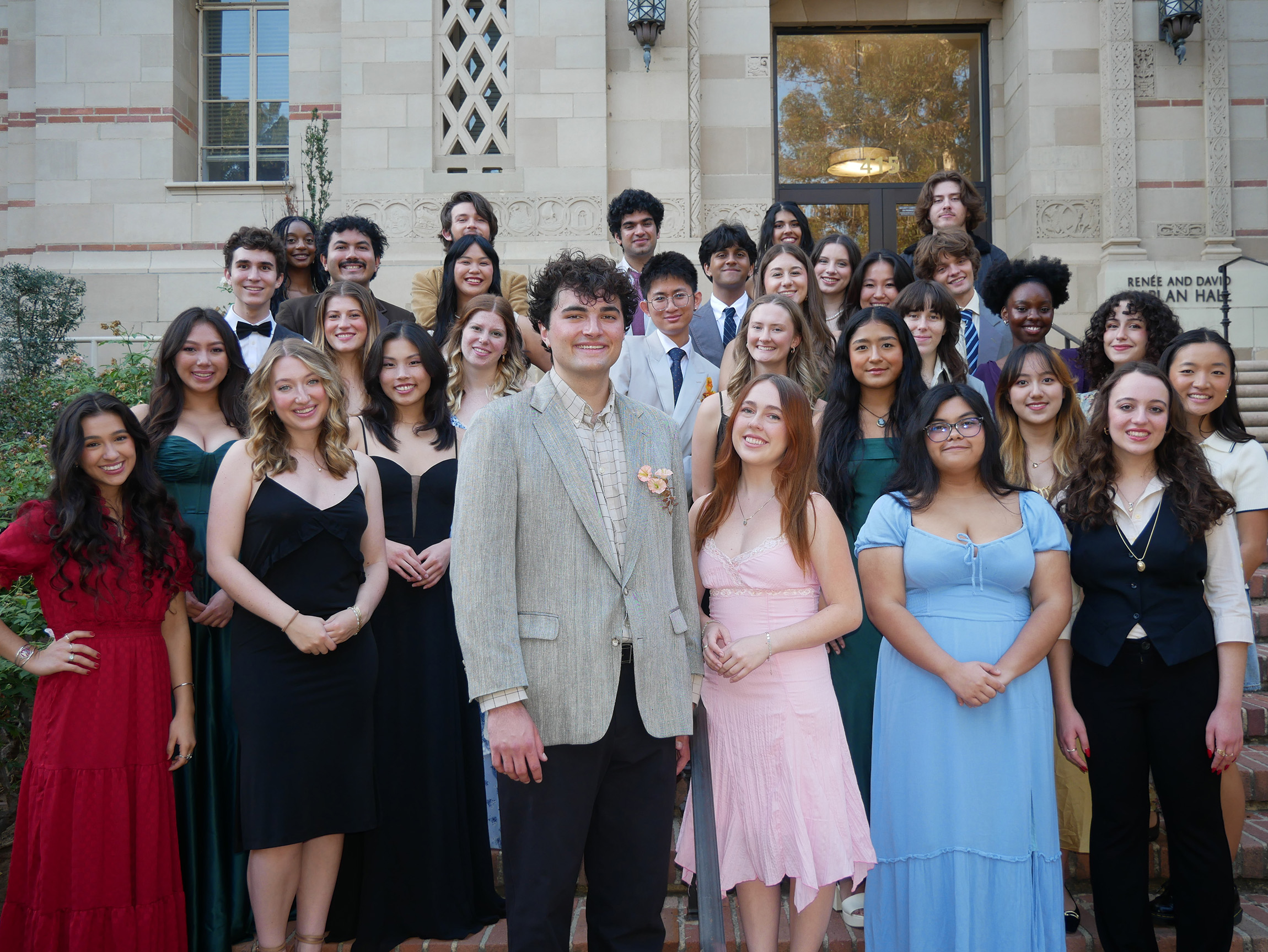
De Leon added that HOOLIGAN is embracing the campiness of the original musical while exploring themes of feminism, isolation and extremism. The company wanted to emphasize the complicated relationships between teenage girls and the productive and destructive mother-daughter dynamics present in the source material, de Leon said. Director and second-year international development studies and political science student Chania Rene-Corail said understanding these deeper ideas behind “Carrie: The Musical” was essential to the rehearsal process and final performance.
[Related: Asian American theater company LCC spotlights community, creative exploration]
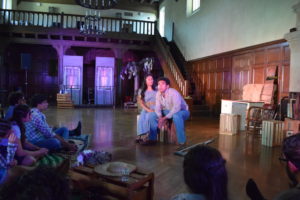
Rene-Corail said she used dramaturgy and table work to help actors connect with each other and their characters. According to Rene-Corail, dramaturgy involves the study of past performances and discussion of the themes. She added that the performers had a long discussion about womanhood and its connection to the play before rehearsals began. Rene-Corail said this helped her emphasize the feminist elements of the show, like the timeless exploration of being a woman in society. The table work also helped build connections between performers and strengthen their understanding of their characters, Rene-Corail added, which allowed the group to create an inclusive environment.
“After a table, all of these characters have a very specific reason for why they’re there, and the actors are fully able to act that out on stage,” Rene-Corail said. “It makes the show better, and it also makes them so much more engaged in the production as a whole.”
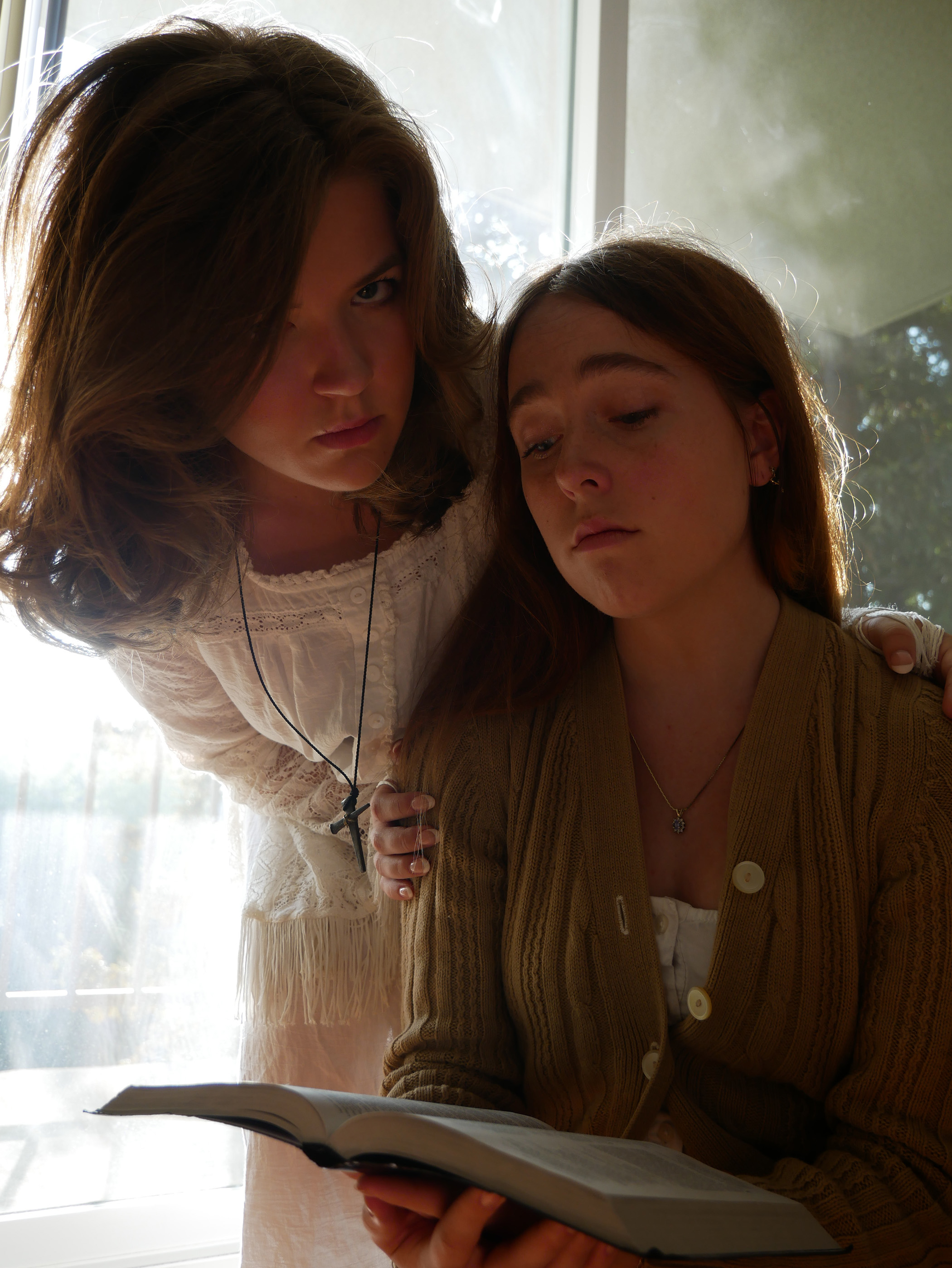
Rene-Corail said that one challenge of producing “Carrie: The Musical” was adapting a small show to fit a larger cast. She added that it required a greater amount of table work, rehearsal time and logistics. However, the increased time has resulted in a more satisfying end result – especially in pivotal scenes – Rene-Corail said. She added that it contributes to HOOLIGAN’s mission of education and accessibility, in the way it allowed more students to participate in the production.
[Related: Opera UCLA revives haunting classic to new ears with ‘The Turn of the Screw’]
Furthermore, community-building is essential to the process of set design, Parrilla said. He added that the design is a collaborative process between him, his staff and other members of the production team. Parrilla said he used it to show Carrie’s character development from insecure to empowered. Parrilla added that he chose to style the set pieces in the 1970s and wanted to make the character’s home feel suffocating, tying it into the conservative time period.
“Throughout the story, I’m creating a visual story of having a mirror in the beginning, and then a mirror breaking towards the middle, and then the end with our destruction – having those shattered pieces be shown where Carrie makes her classmates reflect on how they made her feel,” Parrilla said.
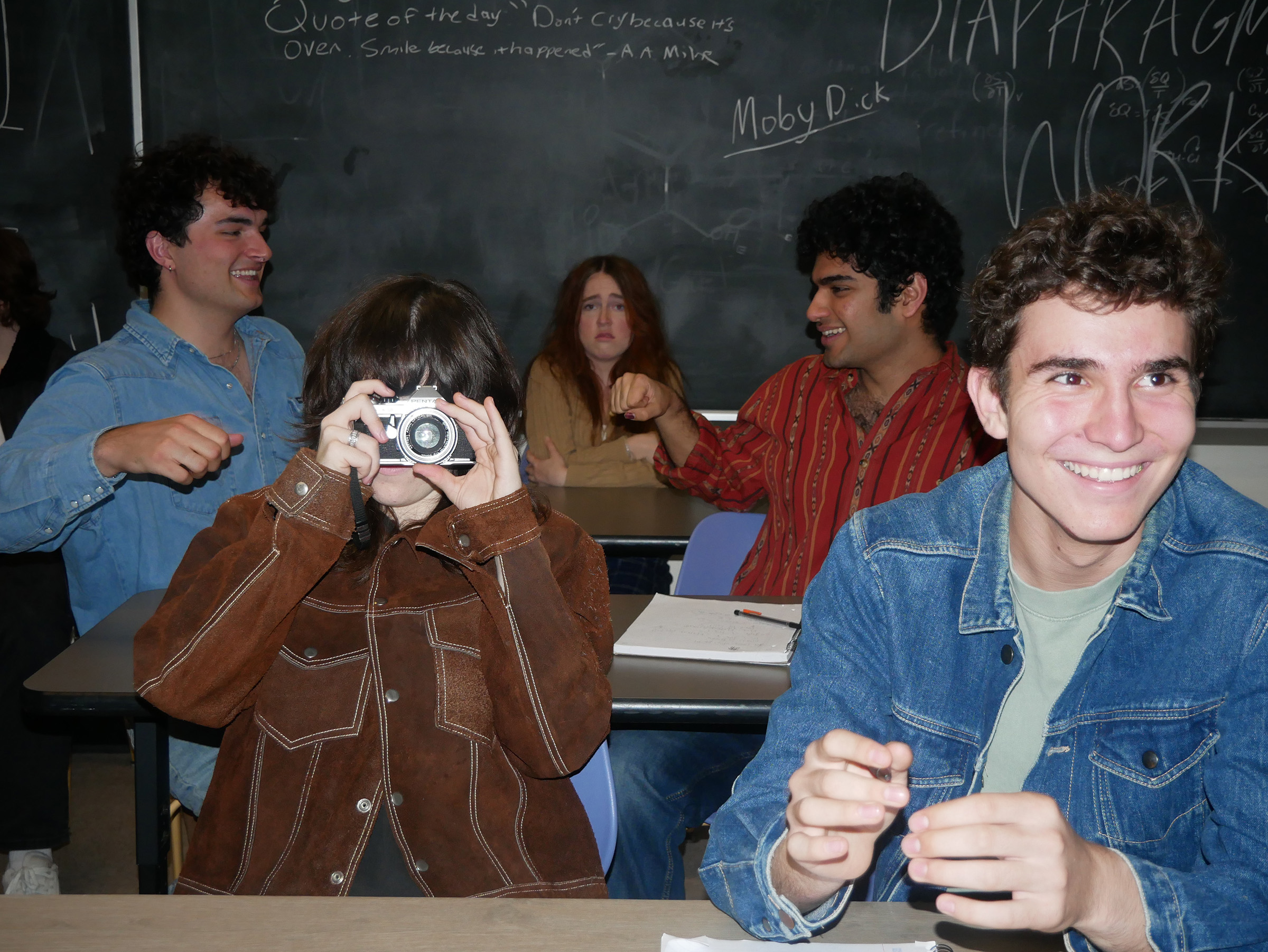
De Leon said HOOLIAGAN emphasizes sustainability in set design by reusing sets, props and costumes. The group also focuses on education and accessibility in theater, de Leon added. She said that the company uses fundraising to ensure that students can participate in theater, regardless of their financial situation. HOOLIGAN has student performers from all majors, backgrounds and levels of experience, Rene-Corail added. She said HOOLIGAN has mainstage productions each quarter, no-cut one-act productions and educational workshops. De Leon added that the funds for educational programs, such as audition preparation classes and student-written showcases, will come from “Carrie: The Musical.”
“One of the greatest things about this company is that you get to interact with students from everywhere across campus. This is really a place where people from all backgrounds get to come together,” de Leon said. “Every production I think of as one big joint passion project.”


Comments are closed.