This post was updated Dec. 7 at 6:18 p.m.
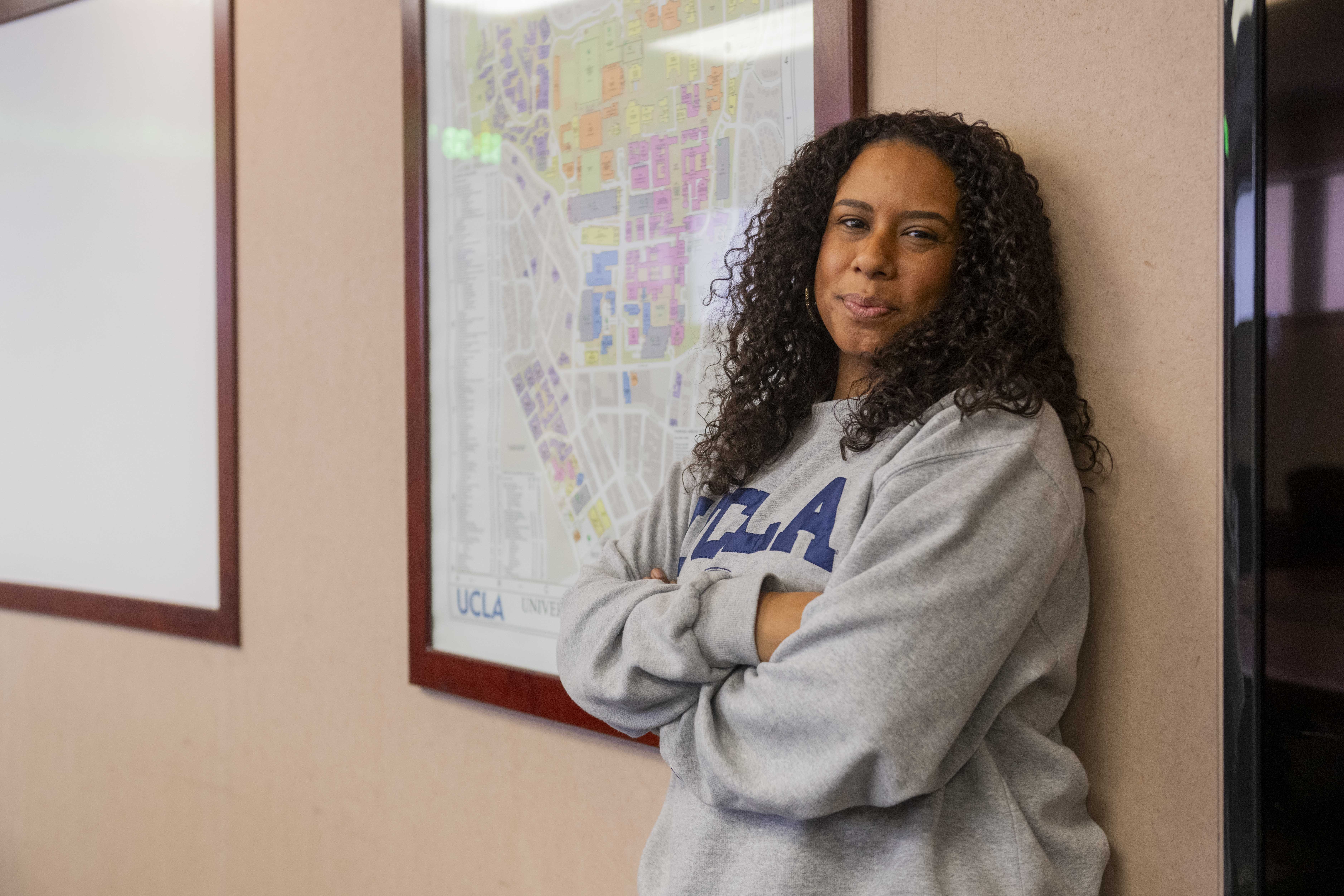
It was lightly raining when Ebony Moore – a customer relations agent at UCLA’s Trouble Call Desk – arrived at her office in the UCLA Facilities Management building. She was new to working a swing shift, with a 3 to 11 p.m. schedule.
The weather later intensified, which triggered flood alarms, Moore said. She added that an electrical outage then ensued, impacting buildings across campus and shutting down elevators.
In a short-staffed department, Moore said she was manning the call desk alone, addressing the impacts of the flood by coordinating solutions between plumbing and electrical supervisors.
“The phone never stopped ringing, and it was one challenge after another challenge, after another challenge,” she said. “I zoned in and just handled it. … I just snapped into a whole new superpower.”
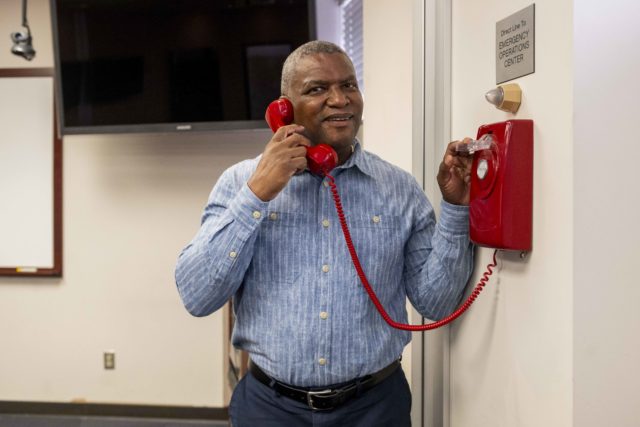
The employees at the UCLA Facilities Management Trouble Call Desk coordinate with other campus units to solve facilities issues – such as plumbing, engineering and electrical malfunctions, said Sherston Sanz, a trouble call dispatcher.
Sanz, who has worked at Facilities Management for nearly 32 years, said the department answers nearly 300 calls per shift, excluding the dozens of follow-up requests or accidental calls the Trouble Call Desk gets.
“All the crafts on campus – from plumbing to elevator to electrical to you name it, everything – all of those calls come into us, on top of that emergencies in the building,” Sanz said. “We don’t deal with human emergencies. Something happens to an individual – that will be UCPD. But we do pretty much the exact same thing for the campus buildings.”
Sanz said the Trouble Call Desk is one of the only UCLA departments that operates 24 hours year-round. He added that the workers also answer inquiries shared via the UCLA 311 app, through which students can submit non-urgent repair and service requests.
The Trouble Call Desk workers must ensure they smoothly transition to different shifts when emergencies arise, he said, adding that they are sometimes forced to stay for up to 14 hours.
Sanz said that, in one instance, a water break caused gallons of water to flood Sunset Boulevard, which damaged buildings across campus. He added that, in situations like these, the trouble call workers must alert dozens of workers – from electricians to alarm techs – and call them back to campus.
“You could have a situation where, when you have an emergency again, one thing may trigger something else,” Sanz said. “The rain call is triggering the alarm calls, triggering the elevator calls. … All these calls are going on. All 10 lines are lit up.”
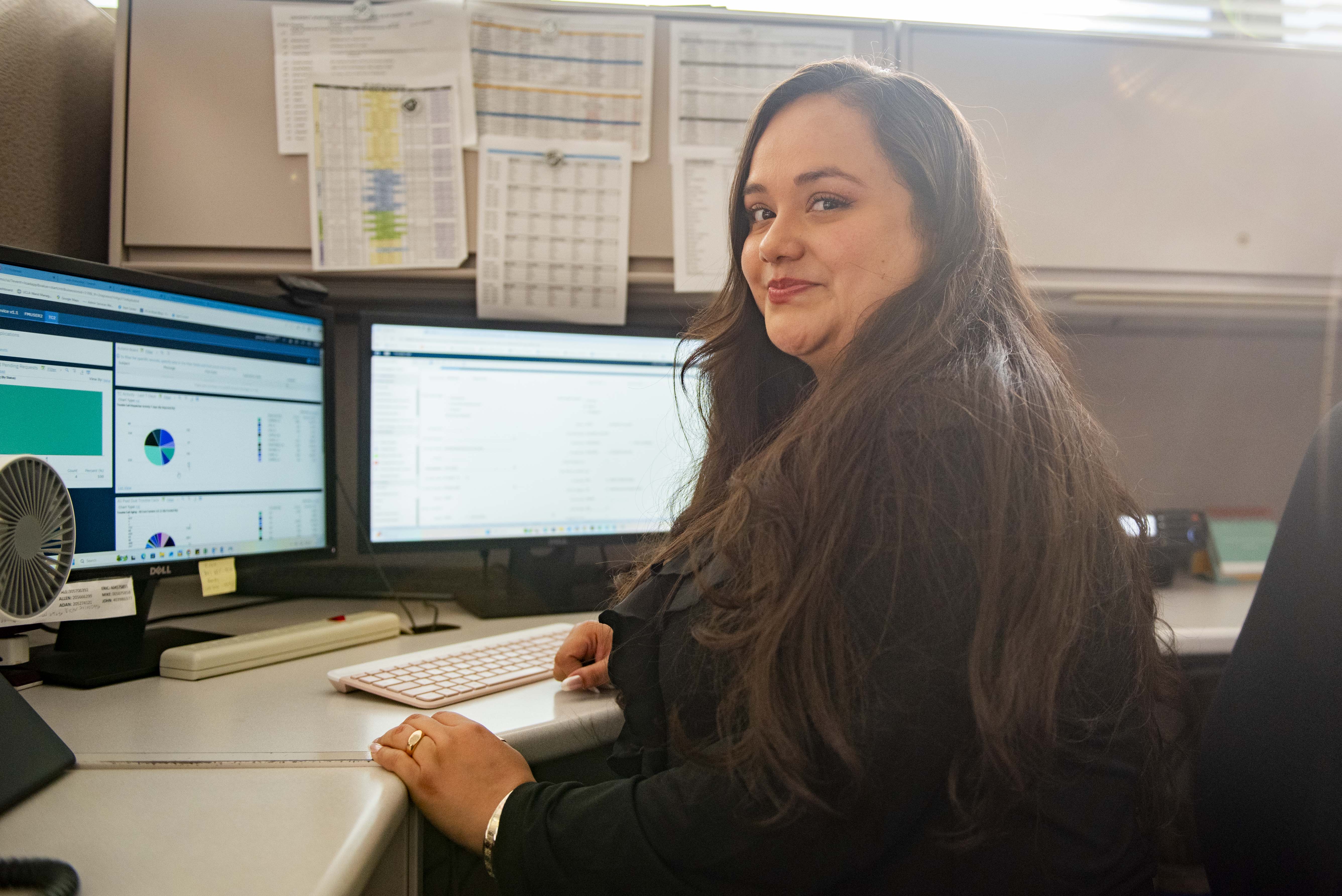
Jasmine Lopez, another trouble call dispatcher, said the call desk workers must be resilient while under pressure, often making spur-of-the-moment decisions. Sanz said they also answer calls from off-campus locations as far away as the UCLA Lake Arrowhead Lodge, which is nestled in the San Bernardino mountains.
Moore said she balances caring for her daughter, who is in middle school, in between working call desk shifts.
“My life shift would never end,” she said. “I would clock out from dealing with a client and my personal stuff at 11 o’clock p.m. – and then I still have my daughter throughout that process and still have to come back to work the next morning and do the whole thing over again and rush to clock in at 7:30.”
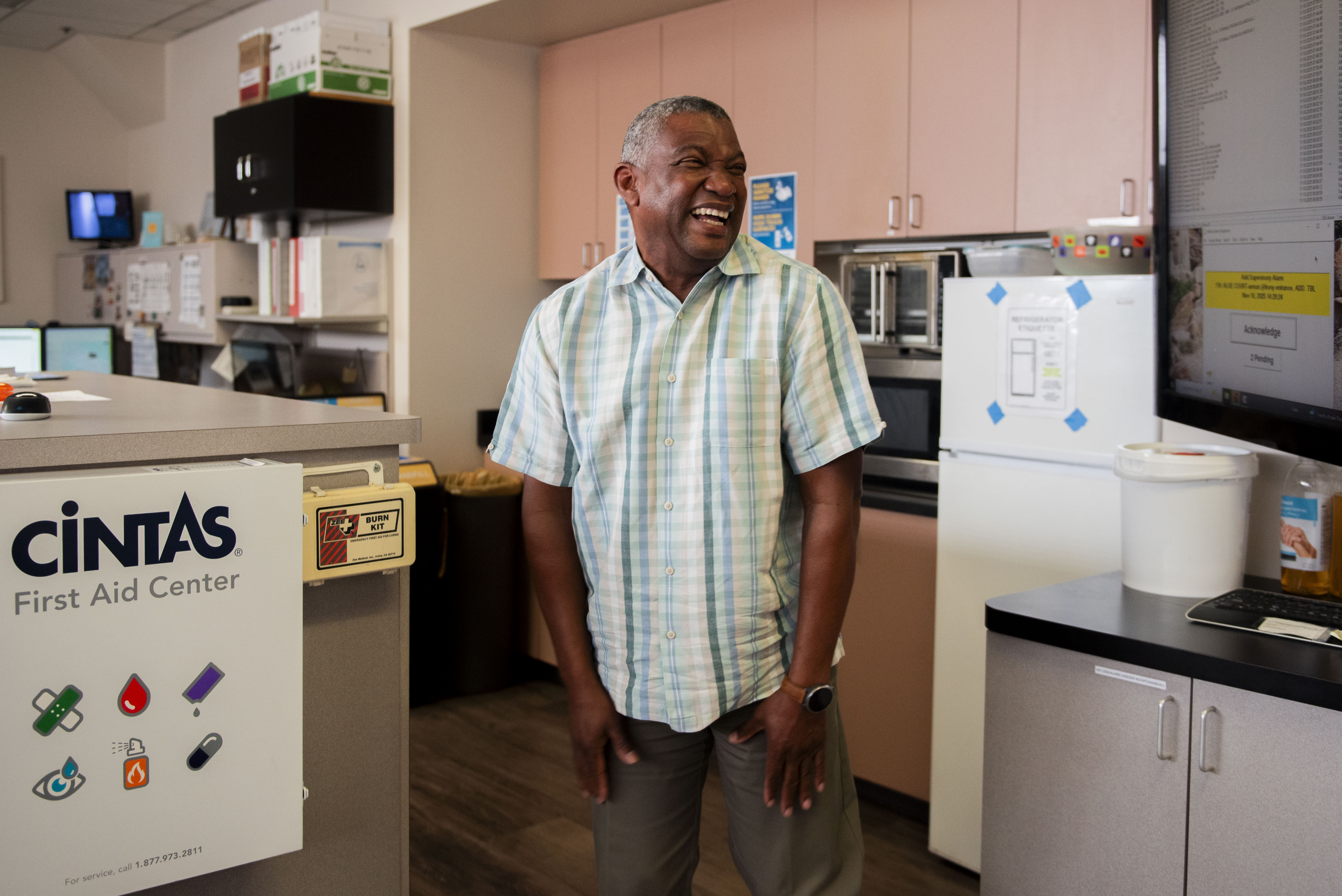
Sanz, a senior dispatcher, said he is responsible for training new Trouble Call Desk workers – but his teaching skills go beyond the department. He also works as a high school track coach, often attending competitions and coaching students during the week.
“Coaching high school track, you’ll see kids come in as a freshman and graduate as a senior,” he said. “Track is so great because everyone can do something – I mean, whether you’re a sprinter, or whether you can’t run at all and you’re a jumper, or you can’t do any of that and you’re a thrower – you know what, you’re doing that.”
Lopez – who has worked at the university for about two years – also takes advantage of the flexible schedule that comes with being a call desk worker. She added that she volunteers as an usher at the Geffen Playhouse and participates in gospel practice at the University Catholic Center at UCLA during her off hours.
Lopez said she joined UCLA Recreation’s Wheelchair Basketball program to grow closer to her brother, who is blind and paralyzed. She added that she serves as her brother’s caretaker on weekends after working call desk shifts.
“It’s just something different everyday … you’re always entertained by what’s the next thing that’s happening.”
The Trouble Call Desk schedule works for Lopez because when her shift ends, she doesn’t have to take work home with her, she said.
“That was my purpose – to help be a breath of fresh air for somebody that maybe needed some support, maybe needed to hear you’re not alone,” she said.
After decades of the call desk routine, Sanz said he plans to retire soon. He added that the trouble call department is a tight-knit group, which takes some stress out of the job.
“We rely on each other,” Sanz said. “Even though it’s always busy, there are those times in between where you’re joking around or you share different stuff that’s going on in your lives.”
But Moore and Lopez said they plan to keep answering calls – and will continue to be surprised with every shift.
Moore, who is bilingual in Spanish, said assisting Spanish-speaking callers particularly gives her joy. Creating solutions for others also gives Lopez a sense of purpose to go home with at the end of the day, she said.
Beyond all, working at the call desk is never boring, Moore added, and that keeps her – and the rest of the call desk workers – coming back.
“It’s just something different every day,” she said. “Once you clock out, when you come back to work, it’s a whole new day – a whole new set of work orders to process. … It never really gets boring because you’re always entertained by what’s the next thing that’s happening.”


Comments are closed.