This post was updated May 21 at 7:07 p.m.
Endless black boxes with faceless names fill the screen.
There are no voices, just words in a chat box.
This is the learning community some students pay thousands of dollars each year to be a part of.
UCLA students must prioritize taking classes and attending meetings in-person to make the most of their education. Through maximizing engagement with our studies and connection to community, we can take full advantage of the college experience.
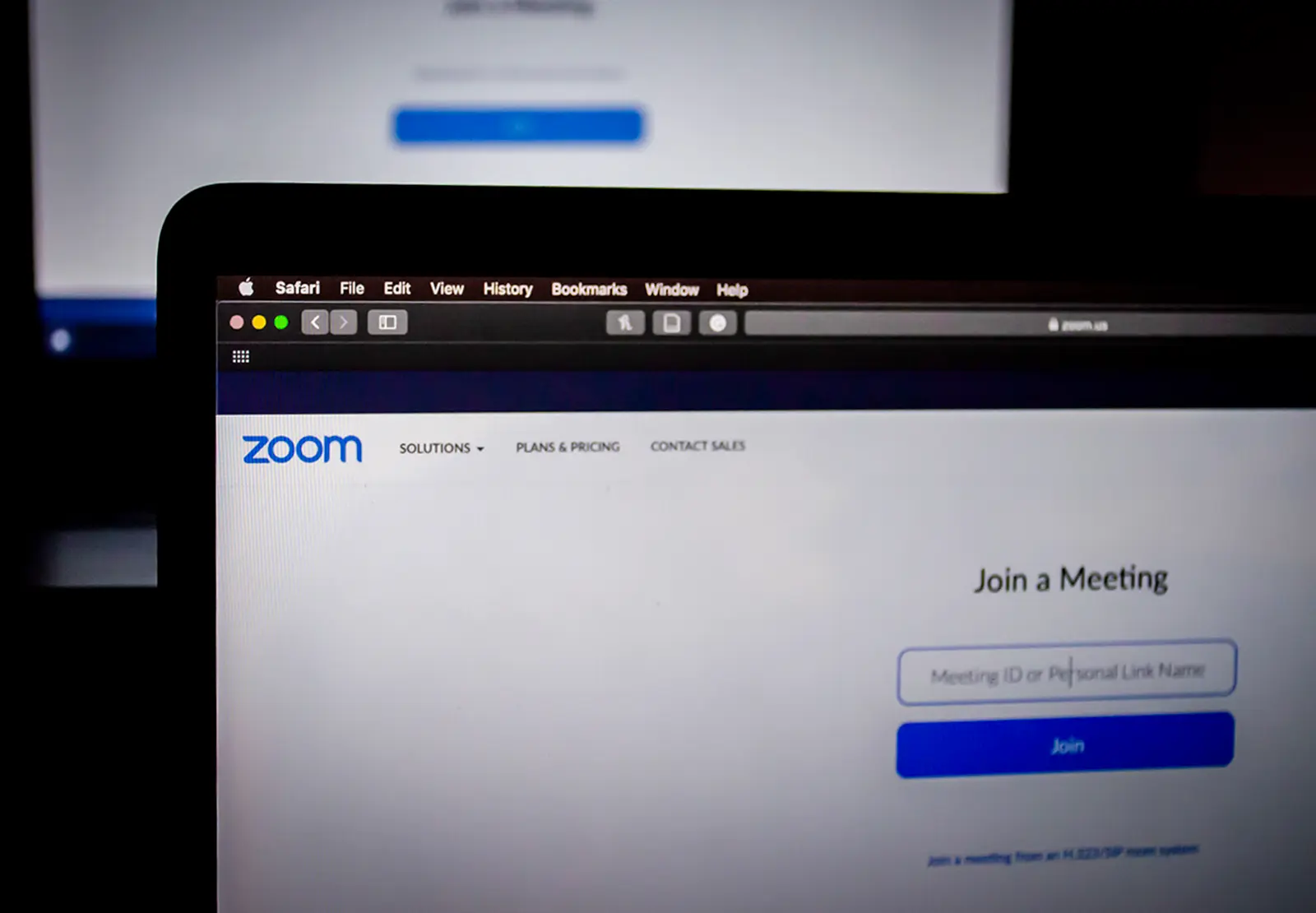
Software platforms such as Zoom skyrocketed in popularity during the COVID-19 pandemic. Though workers and students have returned to mostly in-person settings, virtual meetings remain popular.
UCLA offered more than 100 courses online for the spring 2026 quarter, including multiple language programs.
[Related: Some UC language programs are getting moved online. These professors aren’t happy.]
Online meetings are not the same as meeting in person for a multitude of reasons, including the former discouraging informal interactions.
A 2021 study from the National Library of Medicine found that face-to-face, casual moments built community in the workplace and benefited overall productivity.
Sandy Cohen, a senior writer with UCLA Health who wrote an article on Zoom fatigue, said nonverbal cues don’t translate to online meetings, minimizing people’s ability to connect.
“In-person meetings feel richer – because they are,” Cohen said. “You have someone’s energy. You have all their expressions and gestures.”
The same logic applies to classroom and club spaces. These are places where social connection is vital and should not be compromised.
Studies show students learn better in classrooms that prioritize building community.
“Being in class, physically – it’s like a placebo,” said Lia Mirzaian, a third-year psychology student. “It makes you learn more.”
Thomas Freedman, a teaching assistant for electrical and computer engineering courses, said Zoom classes can make him feel like he is teaching to a list of names on a screen.
“Trying to look at all these little boxes – that’s not the same feeling you feel if you’re in a room with other people,” Cohen added.
Freedman, a UCLA alumnus, said students tend to be less interested in classes when they are online.
“It just becomes more disorganized,” Freedman said. “Students take it less seriously.”
There are, undoubtedly, some benefits to meeting online. For one, it can allow commuter students, students who are immunocompromised and students with disabilities to access education in a more equitable way.
[Related: Opinion: UCLA fails to provide accessibility with lack of maintenance, communication]
Freedman said online classes can also help students save time. Even students who can attend meetings in person sometimes choose to instead meet online out of convenience.
And when students absolutely cannot find another option, they should meet online.
“It makes it easier for people to join,” Mirzaian said.
But students who can attend in person must prioritize meeting off screen.
Take it from Freedman, who said moving his club meetings from online to in-person as an undergraduate increased participation and built a sense of community.
It is clear that, for those who are able, the benefits of meeting in person far outweigh the inconveniences.
After all, an annoyingly long walk or a slightly busier schedule is well worth reaping the full benefits of a world-class university such as UCLA.



Comments are closed.