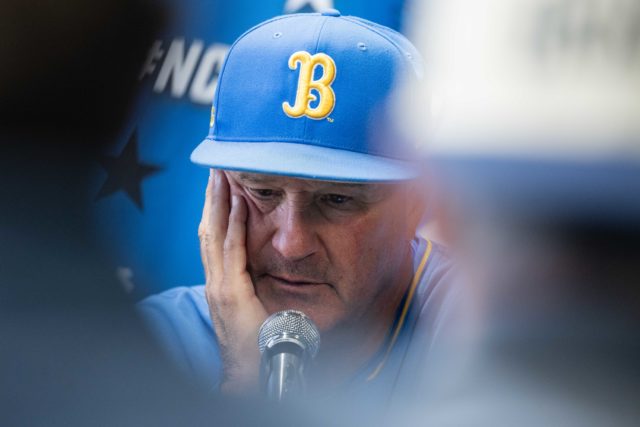
A high school senior in Reno, Nevada, threw 24 consecutive no-hit innings in 1983.
The right-hander finished the year with a 1.16 ERA, and the New York Yankees came calling in June.
They offered the 18 year old $100,000 to forego college and play professionally, according to the Nevada Appeal.
But John Savage said no.
He chose to enroll at Santa Clara University before pursuing professional baseball with the Cincinnati Reds.
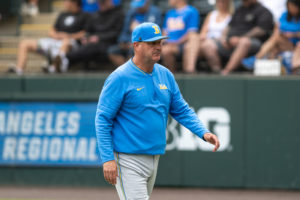
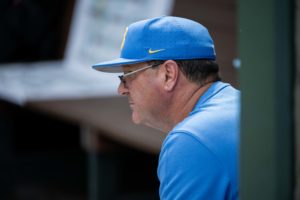
I wonder how UCLA baseball’s coach John Savage’s personal story has helped him sway recruits torn between coming to Westwood and playing professionally.
Savage famously swayed his program’s best arm, Gerrit Cole, from signing with the Yankees after they drafted the Orange Lutheran High School product in the 2008 draft’s first round.
Less than a year ago, the coach retained the commitment of Angel Cervantes after the rising sophomore right-hander was selected in 2025’s second round by the Pittsburgh Pirates.
While it didn’t reach Omaha, UCLA baseball – the first team to complete an entire regular season as the nation’s No. 1 team – was, as Savage often said, built on homegrown talent who stuck with each other through thick and thin.
The Bruins went 19-33 in 2024 and were temporarily kicked out of Jackie Robinson Stadium in September 2024, but few student-athletes left.
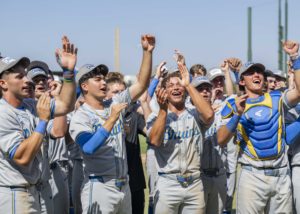
That’s what Savage said made his team special. That’s what his team said made them so special.
And when first baseman Mulivai Levu adopted the mantra, “The Power of Friendship,” the Bruin faithful loved it enough to make T-shirts out of it.
So I was surprised when Savage vehemently opposed MLB’s proposal to bar players from being draft eligible directly after graduating high school and instead essentially mandate domestic athletes with MLB aspirations to first attend university.
Savage said in the statement that current collegiate programs merely rent out players season to season via NIL contracts rather than operate as the hubs of education and development they are supposed to be. He added that it would be more fitting to call collegiate players “athletes” as opposed to “student-athletes.”
In the statement, the coach added that he is against the idea of shortening the Draft from 20 to 12 rounds because of how even late-round Draft picks have been able to climb into the majors.
But that dream is only granted for so many.
Between 1996 and 2011, only 23% of high school players drafted in the first round and supplemental first round reached MLB, according to the Society for American Baseball Research.
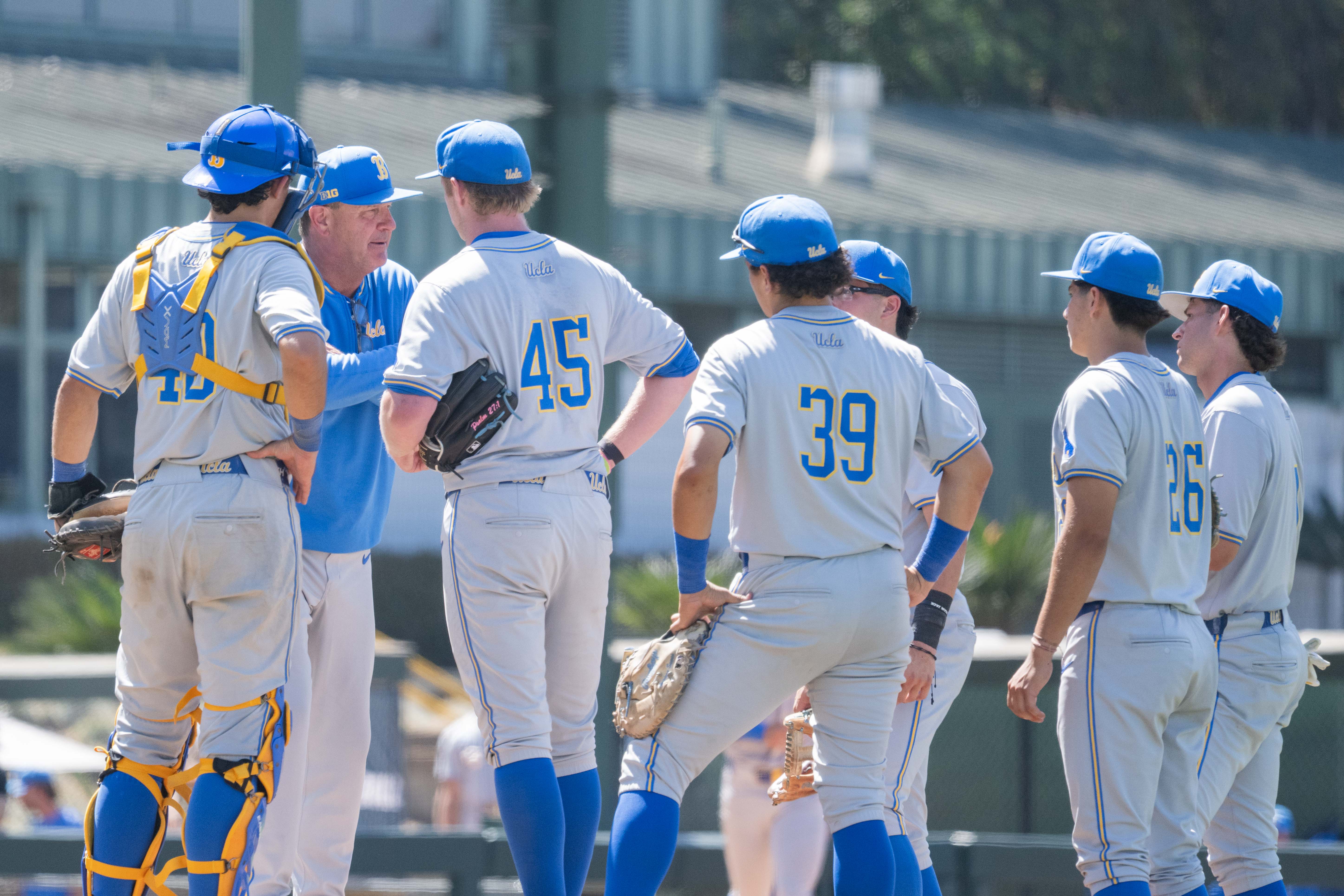
SABR added that just 9.9% of players who sign out of rounds 12-20 – with or without collegiate experience – make it to the Show. Even when looking at players who signed after being drafted in rounds 10-15, only 12.7% make it to the major leagues.
While minor league salaries have increased dramatically over the past couple years, the minimum salary for players in Triple-A – the highest level before reaching the majors – was $36,590, Baseball America reported.
“Bull Durham,” Savage’s favorite baseball movie, follows a journeyman catcher – who has spent his career toiling in the minor leagues – helping young players acclimate to professional baseball before ascending to the majors.
But the coach knows as well as anyone what the minors can look like for players who aren’t living the dream, much less a movie.
Savage’s MiLB career ended after a single season, and after three more years in independent leagues, he was out of professional baseball – the toll on his right arm pulling him far from the fireballer he was in high school.
“98% of collegiate athletes go professional in something other than sports,” said Gina Lehe, vice president of communications at the NCAA, with the launch of its “Tomorrow’s Leaders, Today” campaign in May.
The stat is reiterated in the campaign video itself.
Wouldn’t you rather guarantee some college experience for all the draftees who don’t reach the majors as opposed to none?
It’s a change the NFL and NBA have already made.
I look at the Bruins’ past three seasons and see a program that has largely defied the issues the team’s coach brings up.
It’s like Savage is arguing against his own evidence.
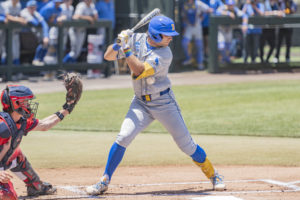
I have a hard time imagining there wasn’t a hefty sum of cash waiting for shortstop Roch Cholowsky, first baseman Mulivai Levu, third baseman Roman Martin, outfielder Payton Brennan or rising junior right-handers Wylan Moss and Easton Hawk somewhere in the SEC.
I have a hard time imagining center fielder Will Gasparino transferring from Texas to UCLA for an endorsement deal, and there’s almost certainly legitimacy to Gasparino saying he wanted to move closer to home and be on the same team as many of the kids he grew up playing against in Southern California.
Right-hander Justin Lee ended the 2025 season on mop-up duty after starting the year with the closing job. Even without a defined role heading into his junior campaign, he said he couldn’t leave the program, his teammates – his best friends.
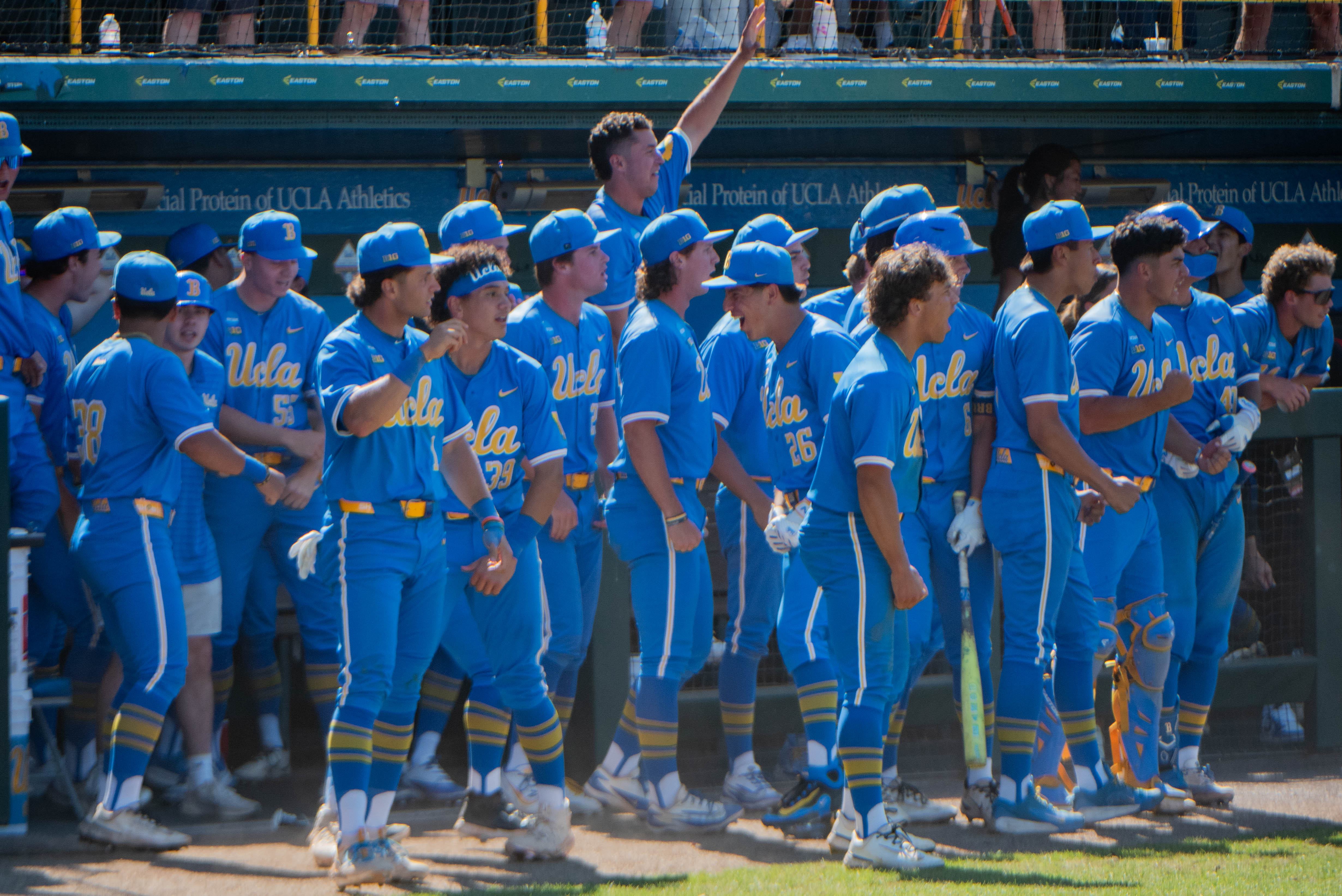
I have to believe that the camaraderie I witnessed over the past three years was real and that it matters – because there is more to sports than championships and more to life than money.
The coach has long preached how chemistry and development will keep any program competitive in baseball. Even after UCLA had just been eliminated from NCAA regionals in May, Savage continued to press that there’s value in coming to college, staying committed and growing.
“I don’t have many strengths, but I do believe in evaluation and development,” Savage said May 31. “To say that we’re going to win 100 games after that 19 (19-win season in 2024), I don’t think I’m going to be up here and say, ‘We expected that,’ per se, but we knew we’re going to be very good if we’re going to stay together – and that did come true.”
Savage knew the 2027 MLB Draft would likely undergo significant changes before the 2026 season began – he knew there were talks of barring high-school athletes from signing professionally and shortening the Draft to as few as 10 rounds.
But in February, he said regardless of the Draft, transfer portal, revenue sharing or NIL, UCLA’s principles would remain paramount.
“High school recruiting – it’s the foundation of our program,” Savage said before the 2026 campaign. “The main emphasis and the majority of the players will always be more homegrown.”
A common notion is that more high-ceiling prospects in college baseball would make the best teams better and leave the rest hung out to dry. Savage said NIL and revenue sharing essentially eliminate 80% of the nation’s programs from competing.
But if I had to guess, I’d bet Savage has said “That’s baseball” more than any other phrase during interviews.
And those two words argue that no one can get written off in the sport.
“That’s baseball” is used when there’s no other way to explain why the sport operates the way it does – sometimes exceedingly random, incredibly humbling or in storybook fashion.
Why did SEC-powerhouse LSU, the reigning national champions and preseason No. 2, finish the year 30-28?
That’s baseball.
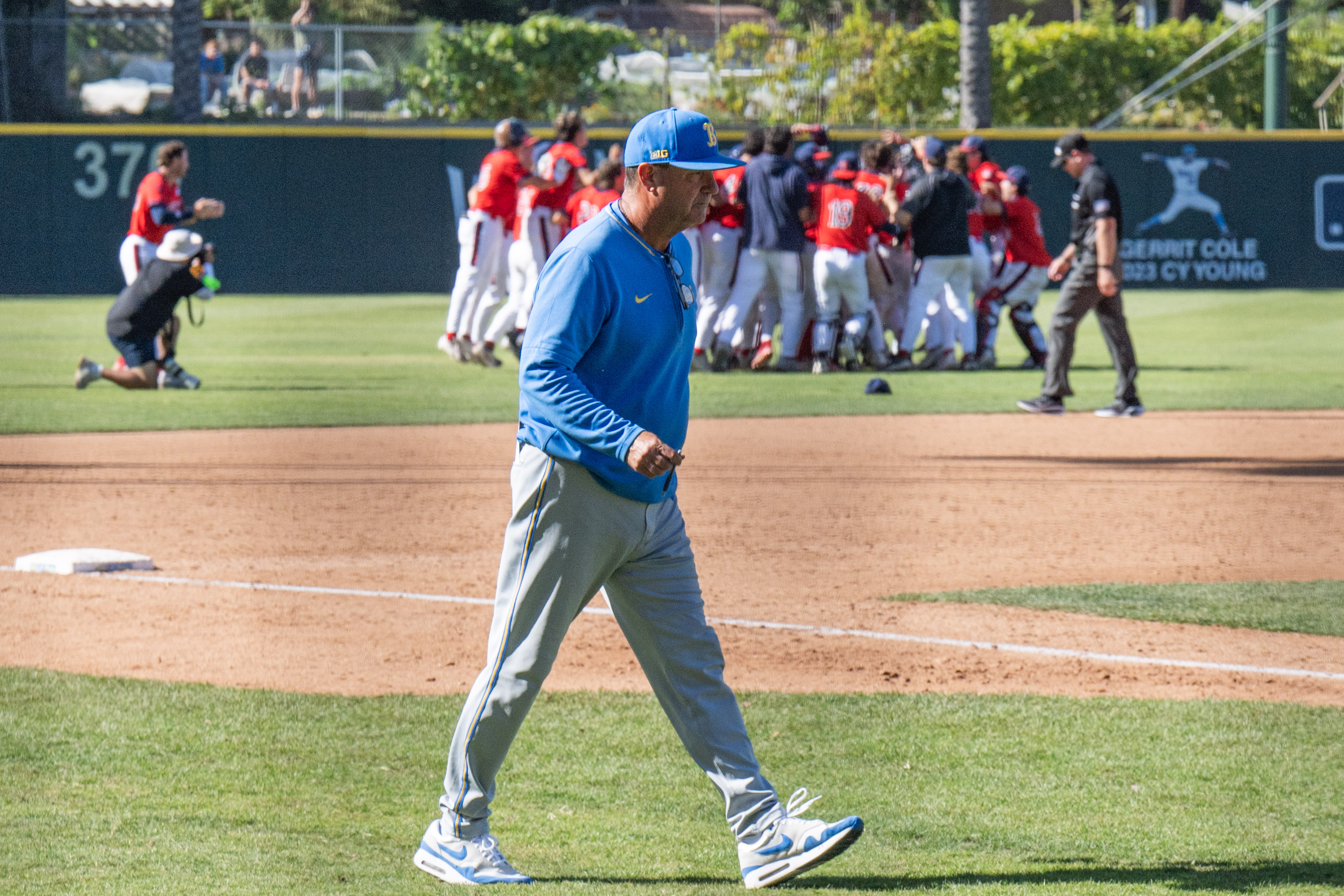
Why did UCLA last the entire regular season as the nation’s No. 1 team only to go 1-2 in its regional and be eliminated by a No. 4 seed?
That’s baseball.
Why, regardless of what changes are made to the Draft, will baseball – collegiate or otherwise – continue to endure as America’s Pastime from Omaha to Williamsport to Cooperstown to Fenway Park and anywhere in between?
That’s baseball.

Comments are closed.