This post was updated July 5 at 9:33 p.m.
Warning: Spoilers ahead
Nights at the movie theater are back in style.
Generation Z directors Kane Parsons and Curry Barker seem to have cracked the code to refilling red velvet recliners with their blockbuster horror films, “Backrooms” and “Obsession.” Both indie titles have effectively dwarfed their microbudgets at the box office, with each grossing over $300 million since their respective releases in May. The box office topped one billion dollars in May for the first time since the COVID-19 pandemic, thanks in part to the films’ simultaneous successes. This was the ninth billion-dollar May in industry history and the first achieved without a Marvel release.
But these numbers alone don’t quantify the craze. What’s behind the obsession with “Obsession”? What about the fascination with “Backrooms”?
Perhaps this fixation partially stems from the directors’ shared creative beginnings on YouTube, or the films’ similar messaging – both revisiting classic horror themes and exploring male narcissism as horror in itself. Regardless, their success – the “twin phenomenon,” as the New York Times dubbed it – seems to uncover something about what’s actually getting audiences out of the digital world and into real-life cinemas.
“Obsession” approaches horror with chilling realism and the frequent use of shock factor. The movie marries the classic “be careful what you wish for” and “nice-guy-turned-monster” tropes with a Gen-Z sensibility, while touching on relatable terrors such as having an unrequited crush and starting a new relationship. At the beginning of the movie, Bear, the film’s protagonist-turned-villain, breaks a cursed willow branch and wishes for Nikki, his childhood friend and coworker, to love him more than anyone in the world. The couple’s psychological decline and the film’s twisted “Romeo and Juliet”-inspired ending emphasize Nikki’s emotional instability and violence under the curse. Yet, ultimately, the destruction is due to Bear’s selfishness, insecurity and fear of rejection.
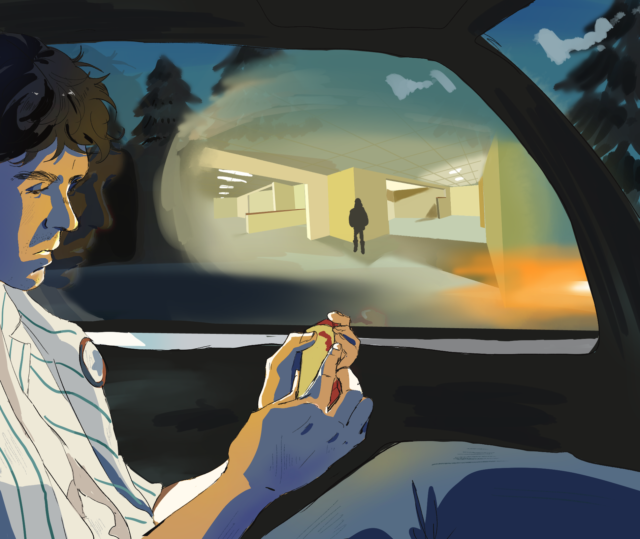
If there was any question about which generation “Backrooms” was made for, the story originated as an internet meme that the director previously adapted into a YouTube series before the film’s production. The plot follows Clark, a furniture store owner, and his therapist, Mary, as they discover a mysterious extradimensional space in the store’s basement.
Unlike “Obsession,” during which horror breaks through car windows and smiles right at the audience, the fear factor in “Backrooms” is delivered more abstractly, tapping into the universal fear of the unknown. The eerily vacant, sterile labyrinth of yellow halls mirrors Clark’s collapsing sense of self, and the Backrooms themselves become a refuge from responsibility where he adopts a victim mentality, treating others as no more than props.
The clear moral ambiguity of these two male protagonists is a major pull factor for Gen-Z audiences ever-eager to debrief, discuss and debate on the drive home from the theater. More than ever, young audiences are seeking novelty and nuance – it is increasingly difficult to justify spending $25 on a lukewarm narrative rerun, especially given the bounty of streaming options available.
Part of what made these films successful is that they emerged from the same internet ecosystem that shaped much of Gen-Z – children and teenagers with iPads in the 2010s were immersed in memes, Roblox horror games and YouTube miniseries “creepypastas” – user-generated horror folklore that is copied and pasted across the internet. The directors of “Backrooms” and “Obsession” seem to have capitalized on that shared online upbringing, taking familiar ideas and filtering them through a contemporary perspective that feels startlingly new.
These films’ box-office success indicates that younger audiences are, in fact, not indifferent to the “phasing out” of movie theater culture. Rather, they are selective with what warrants a trip out of the house and a splurge on overpriced Red Vines. The enjoyment that comes with the communal experience of horror has long allowed the genre to thrive in theaters. Collective shrieks and cowers in anticipation of the inevitable jump scares are part of the entertainment itself. But post-pandemic audiences appear particularly drawn to films that invite conversation after the credits roll.
The success of these grassroots, shoestring-budget passion projects may signal a restorative shift in the relationship between the film industry and audiences. Fresh, experimental approaches are being met with enthusiasm, hopefully pushing the industry to open the playing field to new creatives and reflect the values and interests of viewers.
Hollywood may not need bigger budgets – it may just need a creative reset.



Comments are closed.