This post was updated Aug. 2 at 7:03 p.m.
Learning how to write screenplays, operate cameras or edit scenes is only the beginning for many aspiring filmmakers.
The harder lessons – including how to form industry relationships, navigate professional spaces and craft a sustainable career from creative work – are often taught beyond the classroom.
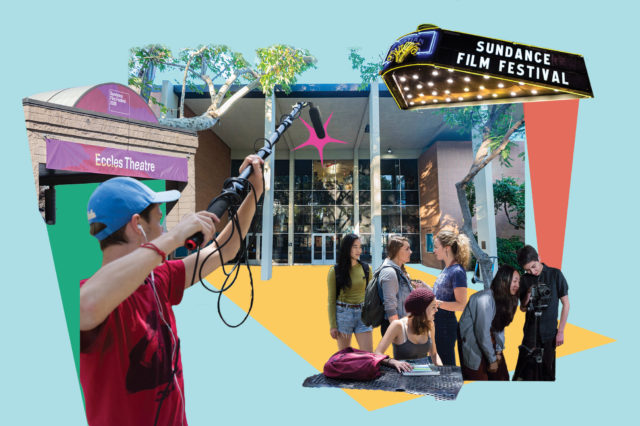
UCLA’s School of Theater, Film and Television and the Sundance Institute are aiming to bridge that gap through a new collaboration announced July 14. The five-year partnership creates a pathway between film education and independent cinema. The program seeks to address the “hidden curriculum” of filmmaking and expand professional knowledge, mentorship and industry access.
“You got to do a bit of everything,” said Lucca Leonardi, a recent graduate of the TFT Professional Program in Screenwriting. “The craft comes first and then the hustle behind meeting people and getting your stuff out there.”
Leonardi, a director and screenwriter, said one of the most valuable potentials for the partnership is the opportunity for students to learn the film festival scene from those who have already traversed it. He added that he hopes the collaboration will reveal what festivals like Sundance look for in emerging filmmakers. The program, he said, could provide practical guidance on submitting work and help students understand how to build a career among competition in the festival circuit.

For TFT Dean Celine Parreñas Shimizu, the partnership reflects a broader shift in what film education must provide beyond technical training.
“Students need more than production skills,” Shimizu said. “They need to understand the economics and the legalities that creativity involves, so they need to learn how to adapt. … It’s such a time of industry disruption that’s also a period of opportunity.”
Shimizu said those transformations are reshaping the independent film industry through changing distribution models, ownership structures and emerging technologies like AI. Through its programming, she added, the partnership will provide students with direct access to industry leaders.
That challenge of adapting to a changing industry extends beyond UCLA’s campus.
Patty West, the director of Sundance Collab – the Sundance Institute’s digital hub – said in an emailed statement that the Institute observes similar challenges across its artist development programs as emerging filmmakers navigate barriers to entry. While film schools often educate students on the techniques behind making films, she said graduates often leave university without the extensive professional network and multimedia knowledge necessary for industry success. Film schools give people strong fundamentals in writing, directing and production, she added, but usually do not cover what happens after a film is made.
[Related: This costume designer dressed ‘Dune.’ She’s teaching UCLA students her craft.]
West said the hidden curriculum is how the industry actually works, which no class teaches you. Part of it, she added, is being able to read and adapt to industry shifts, which is a skill people without existing industry connections may struggle with.
Initiatives like the Sundance Collab x UCLA TFT Digital Hub are designed to combat an industry where established relationships equate to success, West said. The Digital Hub will allow students to curate their own on-demand, online experience as they connect with recordings from filmmakers such as Barry Jenkins and Chloé Zhao, Shimizu said. The program is scheduled to launch in the fall.
Beyond the Digital Hub, the collaboration will launch the Sundance Institute’s Summer Summit at UCLA, which plans bring filmmakers and industry leaders to campus. The co-developed program seeks to be a global online program focused on innovation and equity. The UCLA Bridge Intensive aims to connect TFT students with Sundance Film Festival programming and bridge their education and entry into the film industry.
“We’re planning to bring 25 students to have a curated experience at the Sundance Film Festival,” Shimizu said. “Just the exponential learning that’s going to happen over the period of the festival – they’re going to bring that home.”
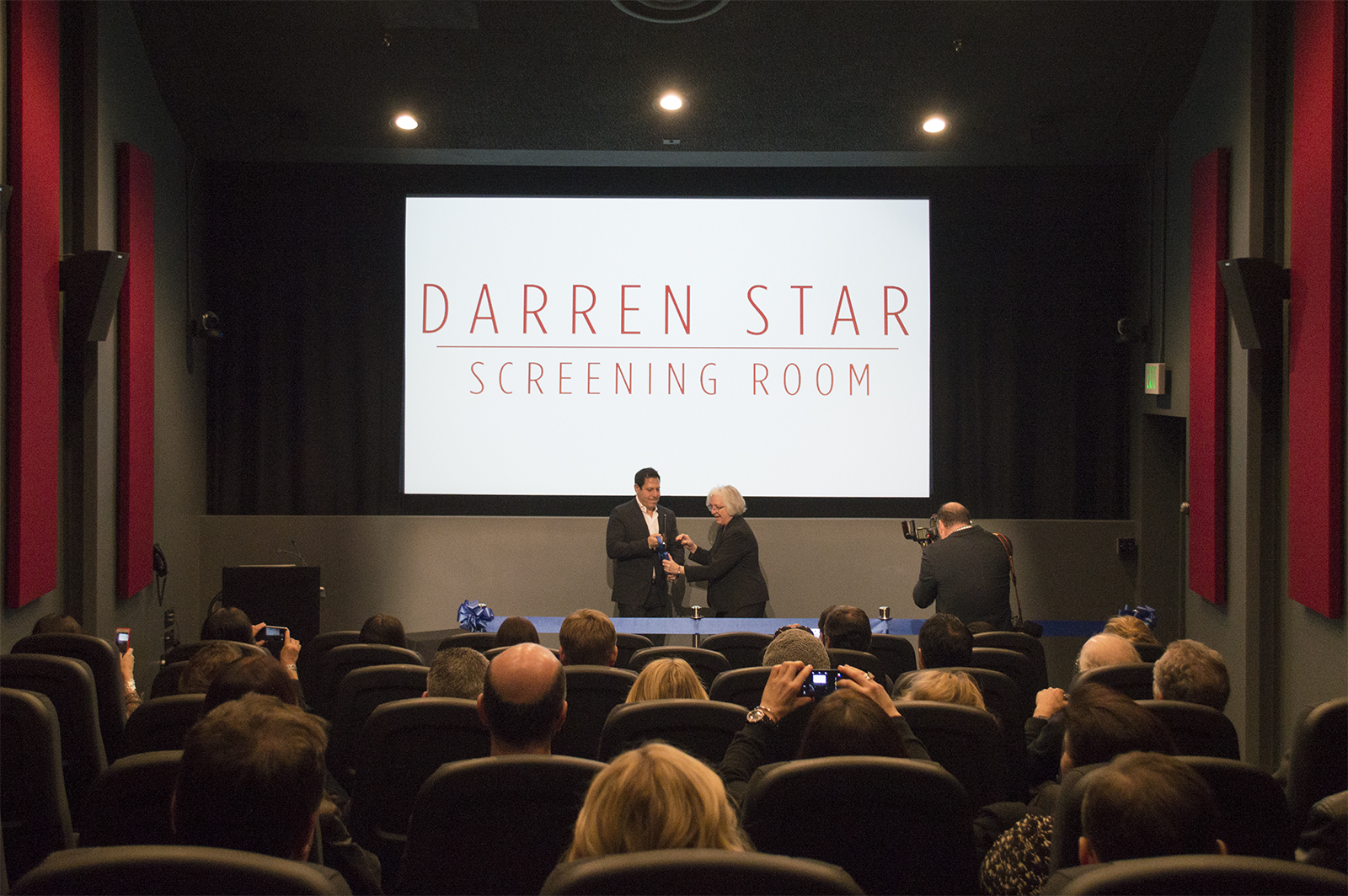
The Bridge Intensive is designed to begin during a student’s senior year and continue through graduation, West said. Rather than concluding when school ends, the program will connect students with Sundance Collab’s mentorship network, which will become a resource for them as they begin their career, she added.
TFT alumnus Laura Bermejo Abellán said these initiatives give students the freedom to experiment and discover their interests before entering the industry. She added that learning professional skills in an academic environment allows students to take creative risks while benefiting from support as they look to navigate a competitive, economically demanding industry.
“After this, I am planning to eventually make a career in independent producing,” Bermejo Abellán said. “I know that that is challenging as a steady job that pays your bills, so I’m planning to find a 9-to-5 that can help me sustain that dream.”
The recent Producers Program MFA graduate said she hopes the collaboration will help students feel more prepared to enter professional spaces by teaching them everything from approaching industry conversations to asking the right questions and making the most of opportunities to learn from those within the Sundance community. She added that an insider perspective will help UCLA’s emerging filmmakers progress in their careers.
[Related: Keke Palmer announces 5-year residency with TFT, plans to spotlight student work]
Beyond preparing students for the realities of filmmaking, Shimizu said it is important to consider ways to expand whose stories are being told. The LA Rebellion, she said, a movement of Black filmmakers at UCLA who challenged Hollywood’s exclusion by creating authentic portrayals of Black communities and rejecting the stereotypical depictions in mainstream film, reshaped American cinema by telling stories the industry had long overlooked. Shimizu added that the collaboration continues that legacy through programs such as the Co-Developed Program, a future online certificate program that will teach emerging filmmakers and artists how to navigate new technologies while grounding their work in the history of the L.A. Rebellion’s value of equity in storytelling.
“One of UCLA TFT’s greatest contributions to society has been helping redefine who gets to tell stories, who gets to have access to the means of representation,” Shimizu said.
Leonardi said the arts scene often feels elitist, favoring those with the financial flexibility to support their creative careers. Programs that expand accessibility in film like UCLA’s Professional Program in Screenwriting, which he completed in the spring, he said, are especially influential for those navigating independent film. The industry needs original stories and diverse voices, Leonardi added.
“Having the opportunity to talk with someone that is in a position similar to the one that you are wanting to be gives you a lot of freedom,” Bermejo Abellán said. “This is just the beginning.”





Comments are closed.