This post was updated Aug. 23 at 6 p.m.
The latest iteration of Los Angeles’ charter reform process has ended in disappointment.
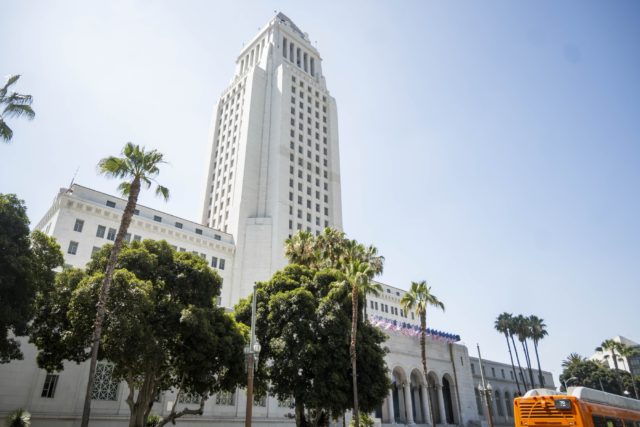
In August 2024, Mayor Karen Bass created the Charter Reform Commission to study LA’s city charter – the document that acts as the city’s constitution. The commission was meant to propose a series of reforms to improve accountability and transparency.
However, upon presentation to the LA City Council, the field of reforms was significantly narrowed. Proposals such as city council expansion and ranked-choice voting were diverted to an ad-hoc committee for consideration on the 2028 ballot. Others were discarded entirely.
This initial narrowing made the city council’s June 30 axing of the two major reforms to advance at its June 17 meeting – a police accountability proposal and the expansion of noncitizen voting in local elections – even more painful.
The charter reform process failed to deliver true change and denied Angelenos the accountability and transparency they asked for.
The council’s rejection of the police accountability proposal is particularly disappointing.
The reform would have shifted broad policy-setting power from the unelected Board of Police Commissioners to the city council. It would not have allowed the council authority over day-to-day police operations, nor would it have infringed upon investigations carried out by LAPD.
Although the council initially seemed prepared to place the item on the November ballot, the proposal was withdrawn at the last minute by an 8-6 vote. The reversal was in part due to the police union, which threatened a lawsuit over the reform.
“I was very disappointed,” said David Levitus, the founder and executive director of LA Forward, a nonprofit organization that supports progressive policies. “It’s such a clear disjunction between what the people of LA think and want and what the council is willing to talk about.”
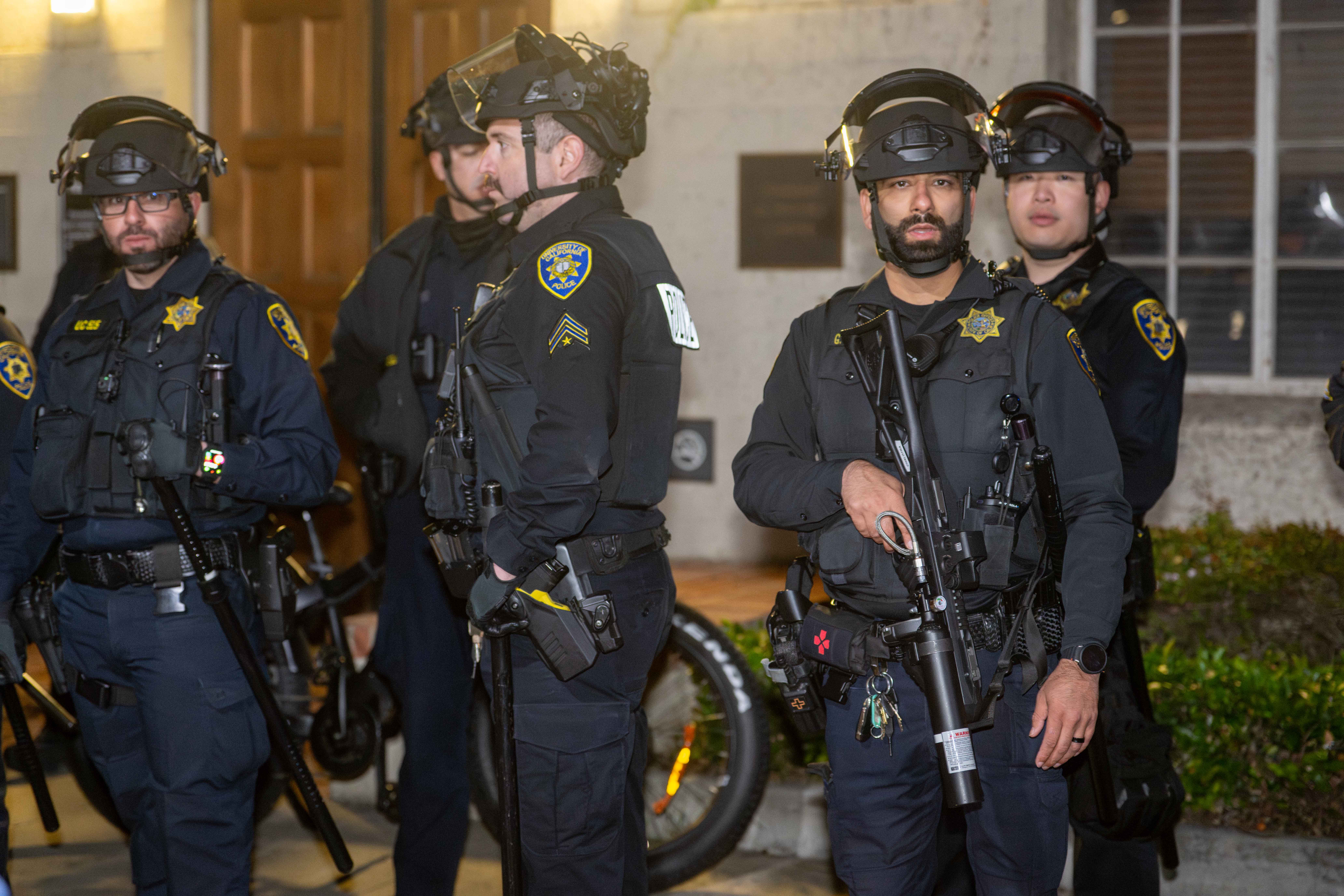
LAPD drew criticism for its use of less-than-lethal munitions during last summer’s immigration enforcement protests. Police injured at least one UCLA student, who suffered serious brain trauma from a flash grenade, at those protests. It is paramount that in an increasingly tense political climate, the government holds the police accountable to the public.
[Related: Opinion: Police on campus surveil, not support, students]
“Questions about policing priorities, public safety strategies, oversight, and accountability are fundamentally public policy questions,” said Naomi Roochnik, the communications director for Councilmember Eunisses Hernandez, in an emailed statement. “Those decisions should be made through a democratic process that is transparent and accountable to voters.”
[Related: Opinion: UC Board of Regents must remove less-lethal munitions, abandon Assembly Bill 481]
It is unacceptable that policy decisions – such as the use of less-than-lethal munitions and crowd control protocols – are in the hands of unelected LAPD officials.
Some reforms will appear on the November ballot. One proposal, if passed, would double the guaranteed funding the Department of Recreation and Parks receives, and another would transition the city from an annual to a biennial budget.
Zev Yaroslavsky, a former councilmember and member of the LA County Board of Supervisors who currently serves as the director of the LA Initiative at the Luskin School of Public Affairs, said although these reforms are not attention-grabbing, they will improve the quality of life for LA residents more than the rejected structural reforms.
To be sure, the reforms that made the ballot would lead to meaningful improvements. Yet, they ring hollow when they are the only tangible product of a multiyear effort by City Hall to address structural gaps in LA’s governance. It is appropriate to celebrate these measures, but it is necessary to advocate for greater reform, like police accountability.
“The fact that these ideas did not make it onto this ballot does not mean the conversation is over,” Roochnik said. “Meaningful reform happens when residents stay engaged and continue demanding institutions that are accountable to the public.”
LA residents and UCLA students must remain committed to driving forward ambitious reforms that meaningfully address longstanding issues in our communities. Successfully passing reforms that go against the grain of power is never easy, but it is possible.
We must continue to press for structural change and increased accountability and demand better governance for LA.




Comments are closed.