This post was updated Oct. 13 at 10:12 p.m.
A super El Niño is forecasted to hit Southern California this year, prompting UCLA to implement additional preventative measures on campus.
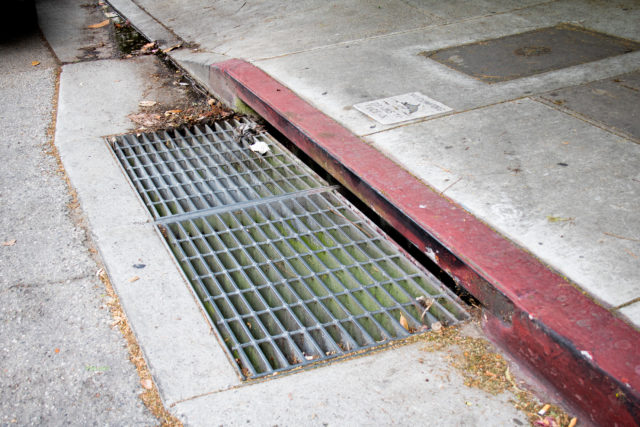
The university is focused on clearing debris from sewage drains, identifying equipment needs, confirming vendor support, managing road closures and encouraging community reports for urgent concerns, a UCLA spokesperson said in an emailed statement.
El Niño is a natural climate pattern that causes nine to 12 months of increased humidity and precipitation because of higher sea surface temperatures. The National Weather Service predicted a very strong El Niño event this year, prompting Gov. Gavin Newsom to declare a state of emergency Sept. 21.
The proclamation allows Newsom to increase funding and streamline the preparation of resources to respond to the climate event.
UCLA has contracts for standby equipment, traffic control teams to help with potential road closures and specialists to test indoor air quality and conduct safety inspections, the spokesperson said in the statement. The university has a list of buildings, parking lots and locations that tend to be affected by heavy rain, they added.
“Our teams are committed to minimizing the impacts and responding to incidents/issues as needed,” the spokesperson said in the statement. “Members of the UCLA community can help our teams respond quickly by promptly reporting leaks, flooding, blocked drains, impacts to accessible routes and other storm-related concerns.”
But because UCLA’s campus is on high ground, it will likely be less vulnerable to flooding and other damages from El Niño, said James McWilliams, a professor in the atmospheric and oceanic sciences department.
State leaders are taking early precautions because this season’s El Niño is projected to be one of the strongest on record, with ocean temperatures warming up the Pacific Ocean beyond the average 2 degrees Celsius, said Glen MacDonald, a professor of geography.
He added that he is concerned about the students in his field class this year, who will travel to the Mojave Desert and be exposed to high temperatures exacerbated by El Niño.
“Those temperatures are going to be very unseasonably hot, and I have to really rethink what we’re doing in the field,” he said. “I have to be very, very on top of everybody to make sure they’re hydrating.”
While El Niño is a natural cycle, the super El Niño will be coupled with extreme heat in Los Angeles – which could make weather events this fall especially extreme, said McWilliams in an emailed statement.
Scientists predicted El Niño patterns this year with climate models to help state leaders plan for crises ahead of time, said David Neelin, a professor and vice chair of the Department of Atmospheric and Oceanic Sciences, in an emailed statement.
Scientists track warm water in the upper layer of the western Pacific that creates Kelvin waves, which are complex, sloshing waves of warm water that travel from the equator up to the California coast and cause increased rainfall, Neelin added.
Areas outside the United States – such as Southeast Asia – have the potential for severe droughts that could endanger millions of people, MacDonald said.
The regions most vulnerable to El Niño impacts are those that are food insecure, such as West African Sahel, the Horn of Africa and Yemen, according to the World Peace Foundation.
“The fundamental issue is the world is enormously mismanaging the climate, and it’s only when enough people care about that and make enough noise,” McWilliams said.


Comments are closed.