Sunday, February 15

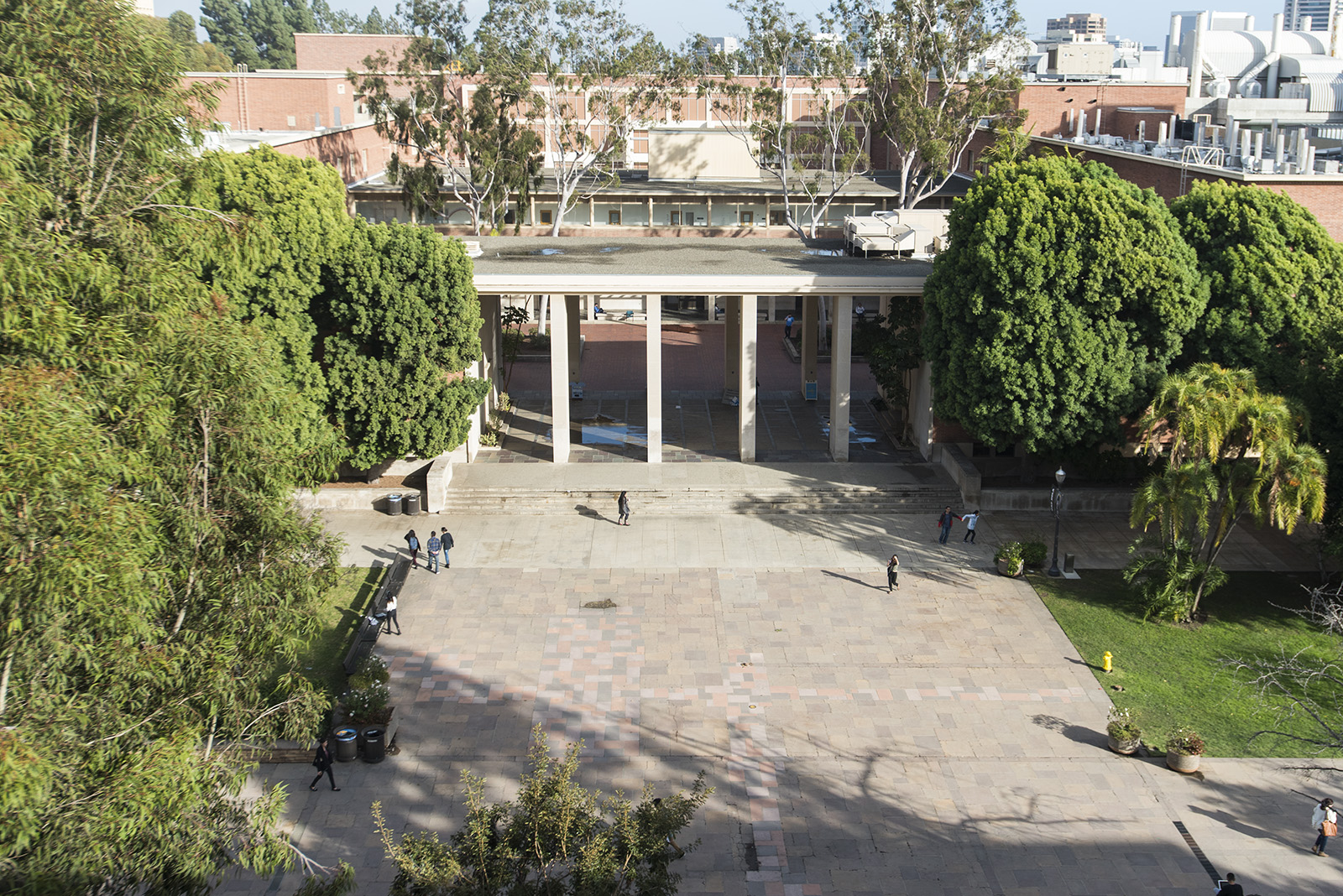
Jane and Terry Semel’s gift to help expand Healthy Campus Initiative

UCLA will establish a new center for its initiative to promote health and well-being on campus following a donation from philanthropists. Jane and Terry Semel’s contribution will allow for an expansion in research and programs related to the Healthy Campus Initiative, which was established in 2013. Read more...

Photo: Jane and Terry Semel have made several donations to UCLA in the past, including helping create the Jane and Terry Semel Institute for Neuroscience and Human Behavior. (Daily Bruin file photo)


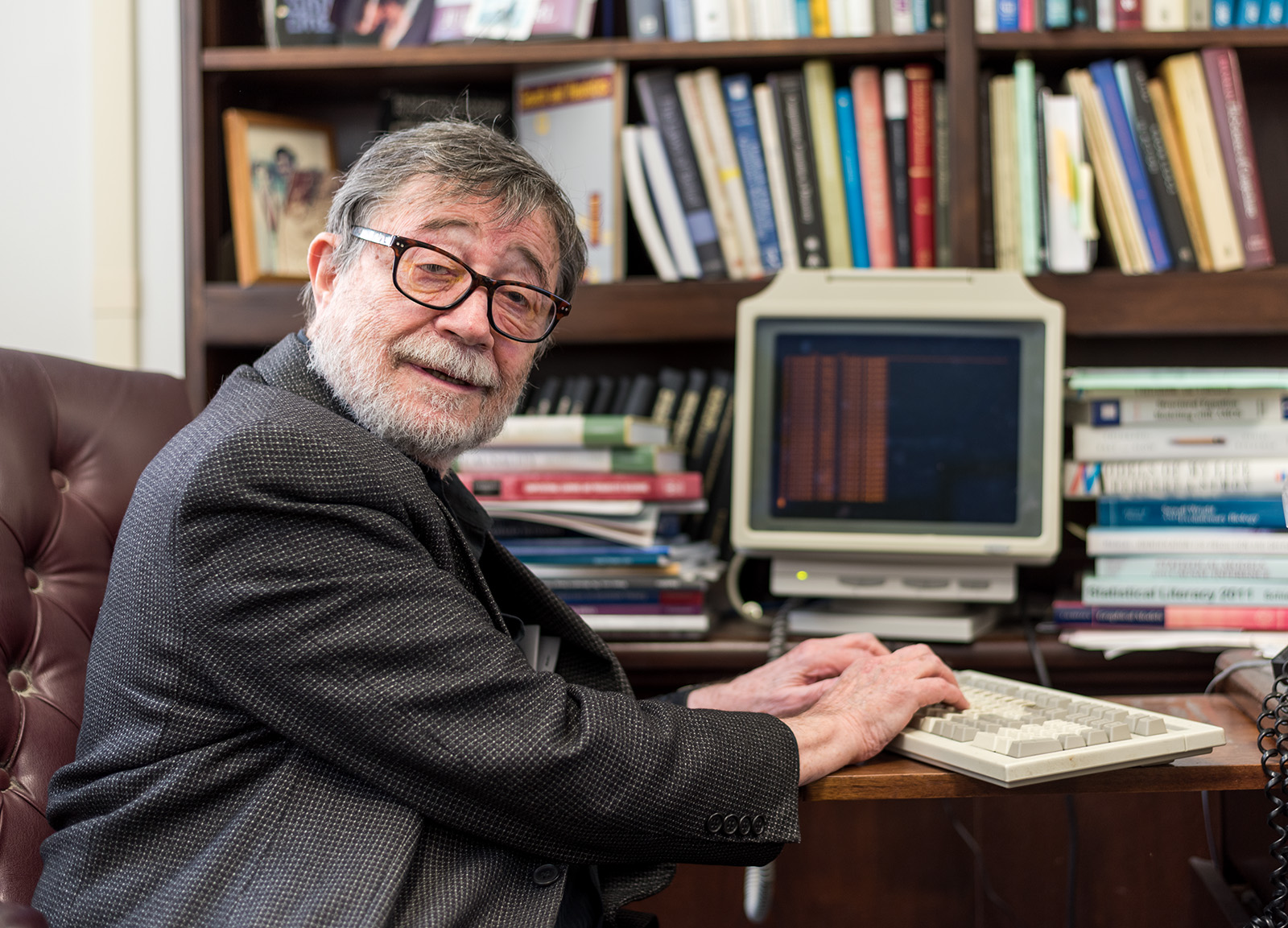
UCLA researchers improve hand, arm mobility in paralysis patients

UCLA researchers have partially restored hand and arm function in paralysis patients without performing surgery. In a study published in April, UCLA neuroscientists demonstrated a new technique to improve motor function in patients with severe spinal cord injuries. Read more...

Photo: UCLA neuroscientists demonstrated a new technique to improve motor function in patients with severe spinal cord injuries. The researchers stimulated the spinal cord with electricity to help paralysis patients regain control over their hands and arms. (Niveda Tennety/Daily Bruin)


Student group raises awareness for environmental racism with forum

Expert panelists said at an event Tuesday that environmental degradation disproportionately affects communities of color, and that promoting racial diversity among environmental science researchers could help address the issue. Read more...

Photo: The Environmentalists of Color Collective at UCLA hosted a forum on climate justice at Carnesale Commons which aimed to raise awareness and start a dialogue about environmental racism. (Mia Kayser/Daily Bruin)


Panel discusses effects of water shortage in Middle East, Africa

Water scarcity is contributing to political tensions and volatile food prices in the Middle East and Africa, experts said at an event Monday. Professors and experts from various universities and companies gathered at the “Water in the Middle East and Africa: A Nexus of Cooperation and Conflict” event at the UCLA Faculty Center to discuss how climate change and water shortages are contributing to food insecurity. Read more...

Photo: Professors and experts from various universities and companies gathered at the “Water in the Middle East and Africa: A Nexus of Cooperation and Conflict” event at the UCLA Faculty Center to discuss how climate change and water shortages are contributing to food insecurity. (Niveda Tennety/Daily Bruin)


UCLA research advances understanding of infertility and miscarriages

A UCLA researcher has identified a key phase of human embryonic cell growth that could explain the causes of infertility and spontaneous miscarriage. In a study published in the journal Nature Cell Biology on April 25, a team of researchers led by Amander Clark, a professor of molecular, cell and developmental biology, analyzed pluripotent cells, which are cells that can turn into any type of cell in the human body. Read more...

Photo: A team of researchers found the cells that did not have the TFAP2C protein do not maintain the naive state and was associated with early miscarriages. (Courtesy of UCLA Newsroom)


Researchers study how hormones influence disease control in mice

UCLA researchers have developed a data-driven method to find hormones that organs and tissues use to communicate with one another. Using their method, the researchers identified two hormones, NOTUM, secreted from the liver, and Lipocalin-5, secreted from fat tissue, that speed up the metabolism of fat in mice, according to a university press release. Read more...

Photo: The researchers identified two hormones, NOTUM, secreted from the liver, and Lipocalin-5, secreted from fat tissue, that speed up the metabolism of fat in mice, according to a university press release. (Daily Bruin file photo)


1 152 153 154 155 156 339