A new website allows students to virtually follow a monkey through a jungle more than 3,000 miles from UCLA in an effort to engage the public with science through technology. Read more...
Photo: (Thomas Tran/Daily Bruin)
A new website allows students to virtually follow a monkey through a jungle more than 3,000 miles from UCLA in an effort to engage the public with science through technology. Read more...
Photo: (Thomas Tran/Daily Bruin)
UCLA researchers found combining antibiotics may help combat dangerous antibiotic-resistant bacteria. In a study published last month, researchers found that combinations of three, four and five antibiotics were effective in stopping the growth of E. Read more...
Photo: (Rachel Bai/Daily Bruin)
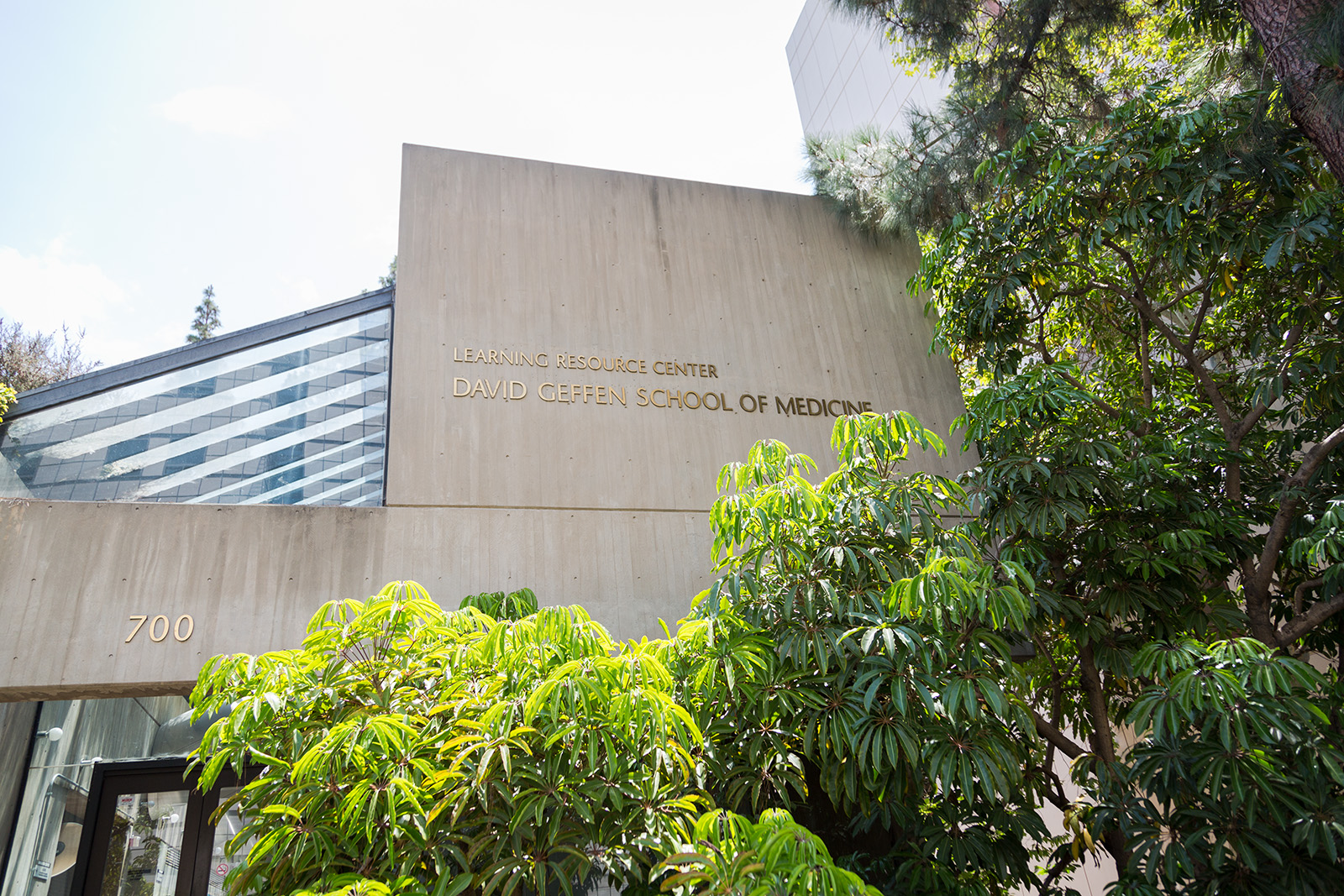
The David Geffen School of Medicine received $10 million Thursday to expand treatment and education in women’s health care. Iris Cantor, a philanthropist based in New York City and Los Angeles, donated $8 million to improve the medical school’s women’s health curriculum. Read more...
Photo: The David Geffen School of Medicine received $10 million to improve the school’s women’s health curriculum and fund a new chair position. (Amy Dixon/Photo editor)
At 6:30 a.m., before summer crowds swarm the beach, Aydogan Ozcan and his research team arrive below the Santa Monica Pier. One researcher scoops up ocean water with a jar and inserts two small tubes, allowing the water to steadily flow into a sleek black box that is connected to a laptop. Read more...
Photo: Pictures of organisms from the flow cytometer. (Courtesy of Ozcan Research Group)
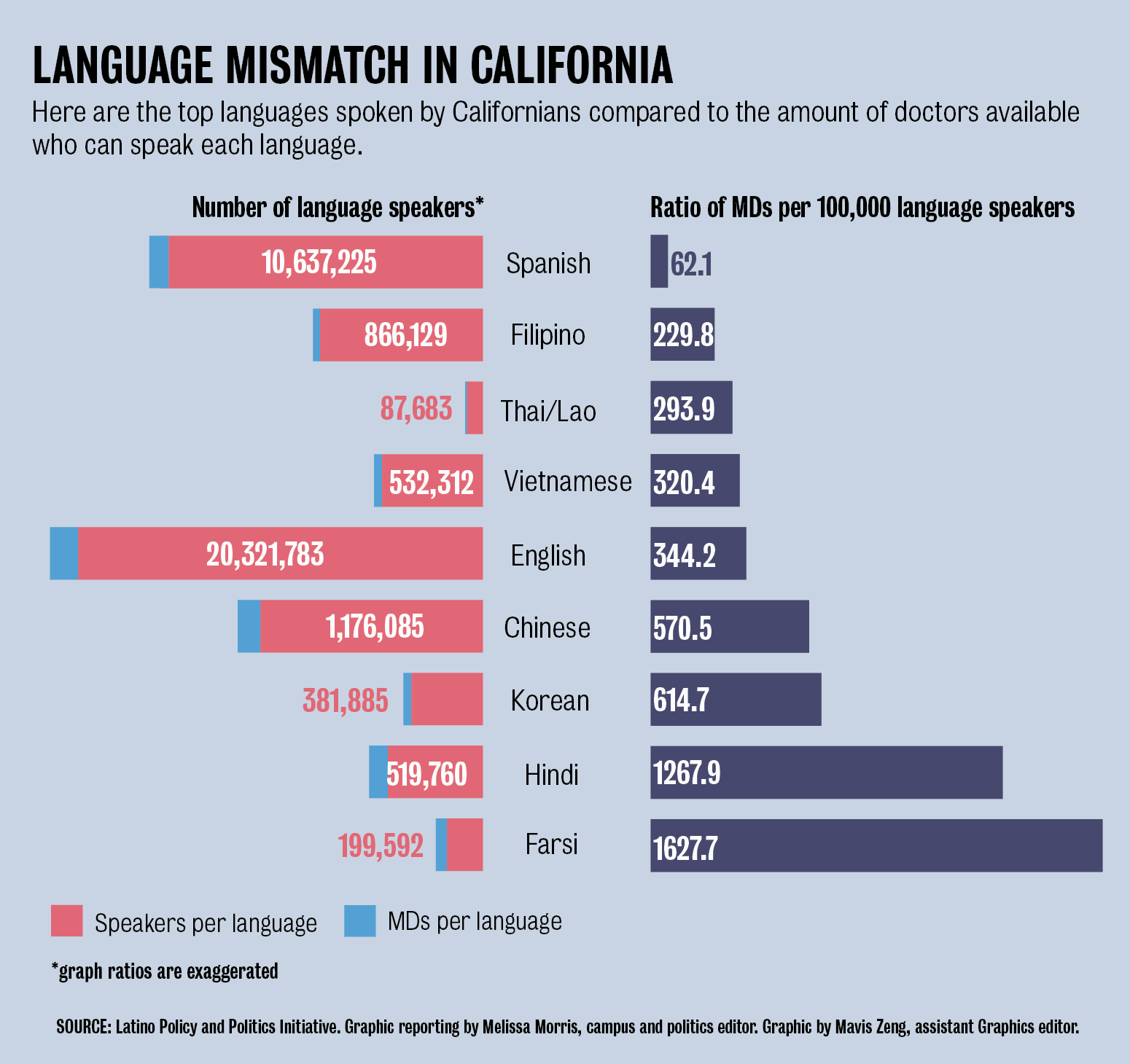
UCLA researchers investigated the consequences of language mismatch that occurs when physicians and patients cannot speak the same language. Researchers from the UCLA Latino Policy and Politics Initiative analyzed California census data in a study released earlier this month to gather evidence and develop policy solutions to address the shortage of Spanish-speaking physicians in California. Read more...
Photo: (Mavis Zeng/Assistant Graphics editor)
This post was updated Oct. 2 at 4:58 p.m. UCLA researchers developed a virtual reality visualization of zebrafish hearts for use in medical treatment and surgical training. Read more...
Photo: (Courtesy of JCI Insight) A visualization of a zebrafish’s heart from a previous paper the lab published.
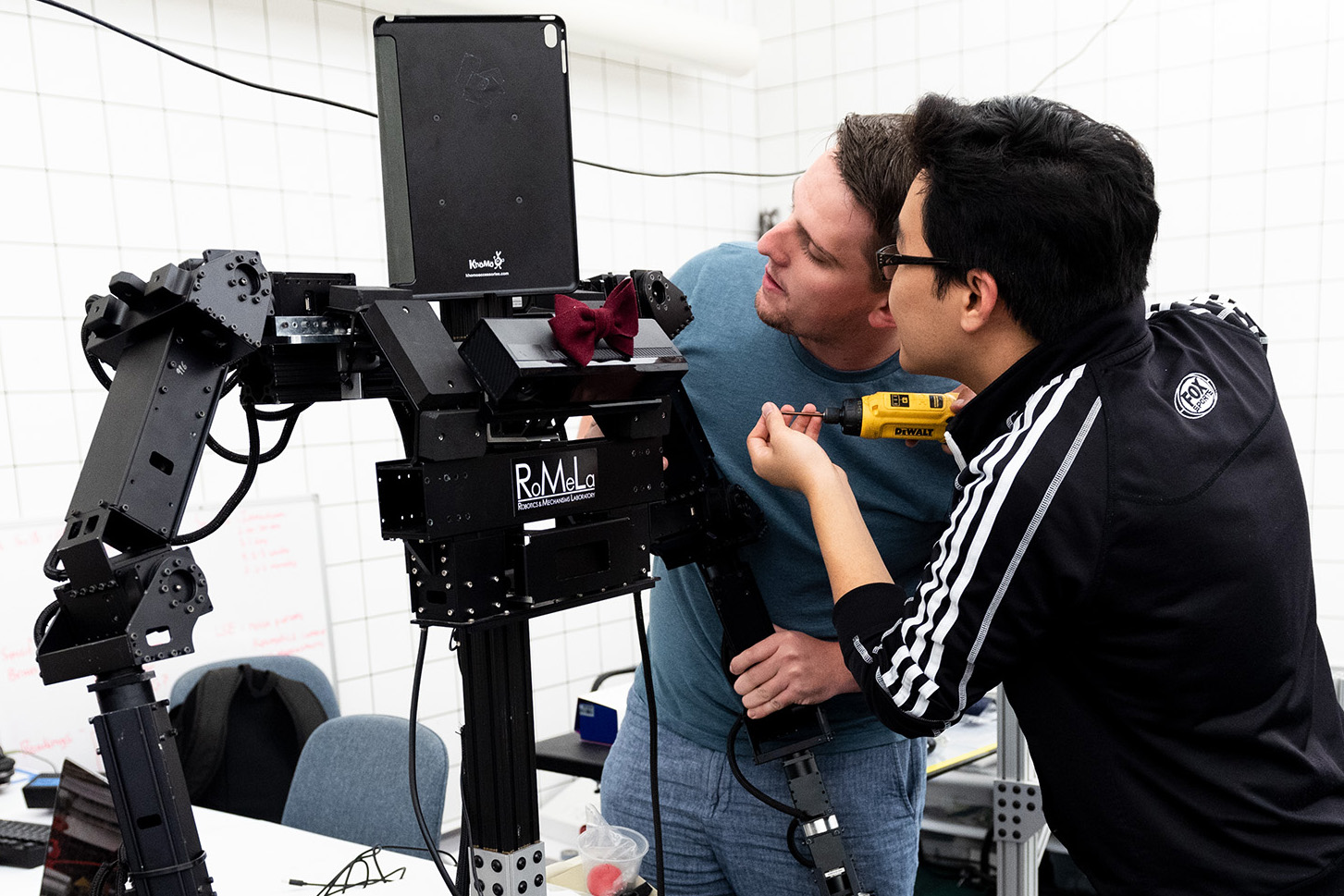
MAGI grasped a silver cup between its two metal claws in one hand. With the other hand, the robot dropped a red, bubble gum-sized ball into the cup. Read more...
Photo: (Liz Ketcham/Assistant Photo editor) Graduate students in RoMeLa temporarily fix MAGI’s arm.