Since its creation in 1960, the birth control pill has been used by 85 percent of all women at least once in their life. Read more...
News, Science & Health
|
April 1, 6:18 am
The pill may not make you ill, specialists say, as each woman responds differently to its hormonal effects
News, Science & Health
|
April 1, 6:15 am
Anti-melanoma drug Yervoy has been approved by the FDA after 11 percent of trial participants see improvement
The first drug proven to prolong the lives of patients with late-stage melanoma was approved by the Food and Drug Administration on March 25. Read more...
News, Science & Health
|
March 30, 1:41 am
Nuclear meltdown in California’s two nuclear plants unlikely because of safeguards
In the wake of a partial meltdown at Japan's Fukushima Dai-ichi plant, debate has emerged about whether California's nuclear reactors put the earthquake-prone state similarly at risk. California has two nuclear reactors in San Luis Obispo and near San Clemente that together produced 15.5 percent of the state's energy in 2009, according to the Nuclear Energy Institute. A request to extend the lifetime of the Diablo Canyon reactor by 20 years has been postponed because of the events in Japan. Both Sen. Read more...
News, Science & Health
|
March 30, 1:22 am
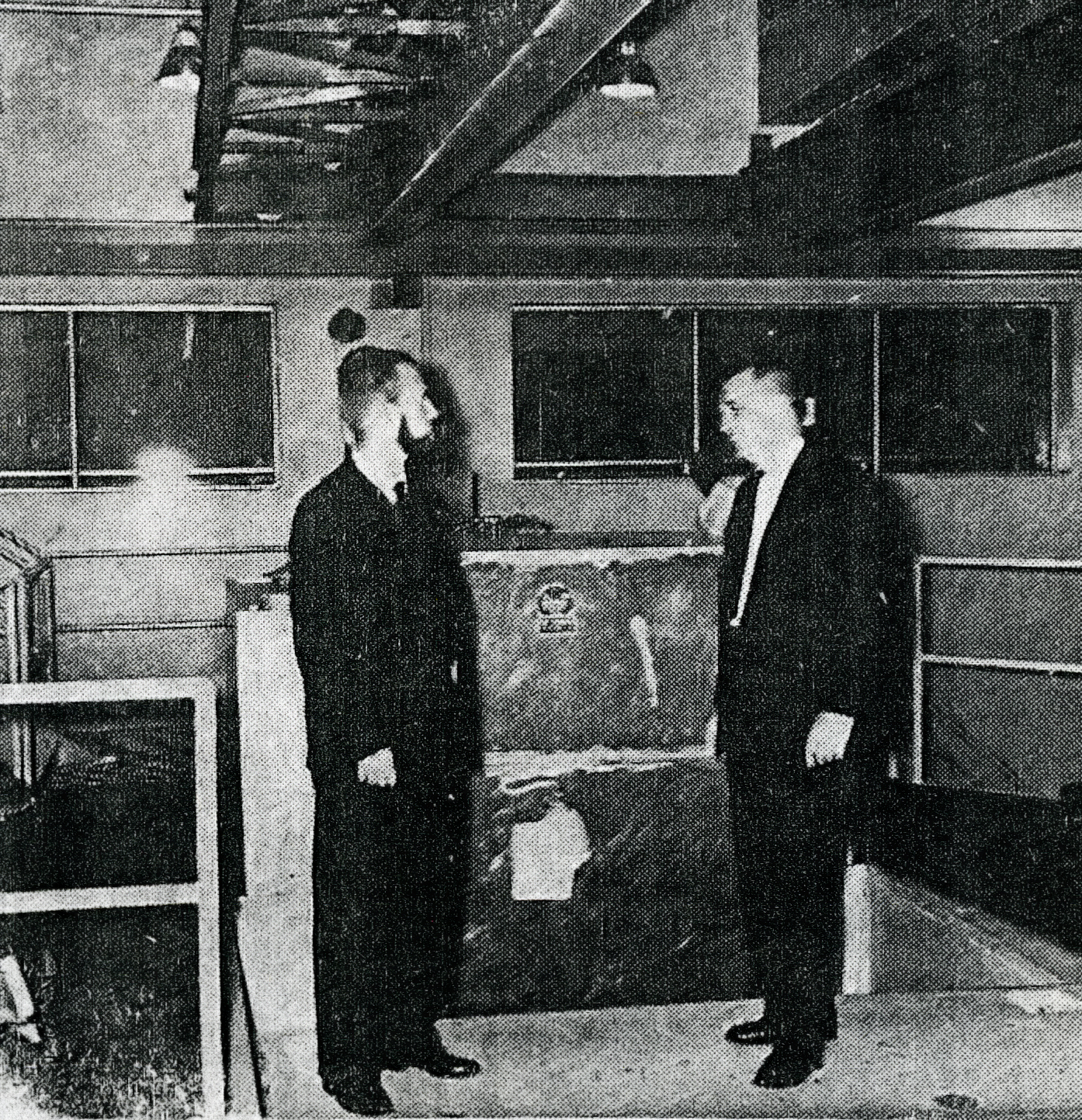
Small UCLA reactor used by students shut down in 1984 because of potential safety hazards, declining use
More than a quarter of a century ago, in the northwest corner of Boelter Hall, there was a powerful device guarded by large concrete walls that were off-limits to most students and faculty.
From 1959 until 1984, UCLA had its very own nuclear reactor, which was housed in the engineering building and utilized by various South Campus departments for research and business. Read more...
Photo:
Thomas E. Hicks (right), engineering professor and then-chief supervisor of the UCLA reactor, and Ronald MacLain, his chief assistant, stand on top of the newly built reactor in December 1960. The nuclear reactor, which had the power of 100 toasters, was small and used mostly for research purposes.
CREDIT: UCLA ARCHIVES

News, Science & Health
|
March 30, 12:50 am
Effects of Chernobyl nuclear plant explosion may not repeat itself in Japan
On the evening of April 25, 1986, crews prepared for a routine shutdown of a Ukrainian nuclear reactor. Read more...
Photo:
UCLA workers load irradiated uranium fuel from Boelter Hall’s nuclear reactor, located on the second floor of the building. From 1959, UCLA possessed a nuclear reactor, but it was decommissioned in 1984 because of protests and lack of use.
News, Science & Health
|
March 28, 1:23 am
Binge as well as social drinking can lead to blackouts
A UCLA student woke up at 6 a.m. after a long night of drinking to discover drawings all over his body. Puzzled, he made it to his 9 a.m. class with artwork still on him and no recollection of how it had gotten there.
"I was at a party, and everyone was drinking. It was like a competition," said the student, who wishes to remain anonymous.
"The last thing I remember is dancing on top of a table." Read more...

News, Science & Health
|
March 4, 6:32 am
Bilingualism broadens brainpower
Neurobiologists from across the country have discovered that students who are fluent in at least two languages are better at multitasking and less likely to face an early onset of Alzheimer's disease. The findings were presented at a conference in Washington, D.C., last month. "A lot of brain imaging scans have shown that being bilingual has changed the structure of the brain," said Lauren Mason Carris, a doctoral candidate in applied linguistics at UCLA. Read more...
Photo:
Second-year neuroscience student Yuta Ebikawa speaks both English and Japanese. A recent study found bilingual people are better able to multitask and are less likely to show early signs of Alzheimer’s.