Tuesday, February 17

Proposition 14 would borrow up to $5.5B in bonds to fund stem cell research

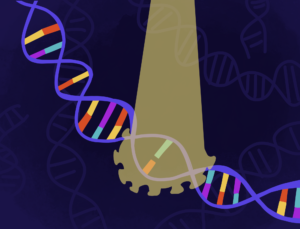
California voters will decide whether the state should increase funding for stem cell research in the 2020 elections. Proposition 14 is a California ballot measure on the 2020 general election ballot that would allocate $5.5 billion in state bonds to stem cell research and training with repayments by the state to buyers of the bonds over the next 30 years. Read more...

Photo: Proposition 14 is a ballot measure that, if passed, would assign money through the sale of state bonds for stem cell research. Stem cell research is used to develop regenerative medicine. (Amy Dixon/Daily Bruin senior staff)


UC researchers named to new state advisory group overseeing vaccine development

UCLA and University of California researchers will lead a team that will advise California officials on a COVID-19 vaccine distribution plan. California Gov. Gavin Newsom named a Scientific Safety Review Workgroup in a press release Monday, which will help California government officials vet a COVID-19 vaccine when it is available and help officials develop a plan to distribute the vaccine. Read more...

Photo: Gov. Gavin Newsom assembled a team of researchers and medical experts to advise California officials on the creation and distribution of a COVID-19 vaccine. (Justin Jung/Daily Bruin senior staff)


UCLA health panel talks importance of communities of color in vaccine research

The development of a successful vaccine for COVID-19 depends on public trust and participation from underserved communities in vaccine trials, a panel of UCLA health professionals said. Read more...

Photo: The success of a COVID-19 vaccine will depend on the trust and participation of underrepresented communities. However, mistrust of research institutes is a barrier between communities and their participation in vaccine trials. (Photo by Noah Danesh)


UCLA researchers’ more efficient, less expensive COVID-19 test authorized by FDA

UCLA received an emergency authorization from the Food and Drug Administration last week to conduct a fast and cheap COVID-19 test. The new test, called SwabSeq, can return results in 12 to 24 hours, said Sri Kosuri, an associate chemistry and biochemistry professor who helped develop the technology. Read more...

Photo: SwabSeq is a new COVID-19 test developed by UCLA researchers. The test is cheaper, produces results faster and removes many logistical challenges for mass testing. (Courtesy of Octant)


UCLA, UCSF medical faculty say wildfires may exacerbate health effects of COVID-19

California’s wildfire smoke and COVID-19 could create an unforeseen mixture of adverse health effects for the state’s residents, UCLA medical faculty said. Although little is known about long-term exposure to air pollutants like wildfire smoke and its particulates, there are preliminary studies that show the number and severity of COVID-19 cases are higher in areas with high air pollution, said Stephanie Christenson, a doctor and an assistant professor of pulmonology at UC San Francisco. Read more...

Photo: Increasing air pollution because of the recent wildfires poses a threat to lung health and may increase the chances of contracting COVID-19. (Photo by Kanishka Mehra/Photo editor. Photo illustration by Emily Dembinski/Illustrations director)


Nobel Prize-winning professor pushes to prove every challenge is an opportunity

Andrea Ghez thought she was dreaming. It was 2 a.m. and she had just received a phone call from the Nobel Committee – congratulating her for winning the Nobel Prize in physics. Read more...

Photo: Andrea Ghez, a physics and astronomy professor, won the 2020 Nobel Prize for physics. She won the prize for her contributions toward the discovery of the black hole in the center of the Milky Way. (Courtesy of Elena Zhukova/UCLA Newsroom)


1 97 98 99 100 101 339