Monday, February 16

UCLA study finds that benefits of robotic surgery outweigh costs

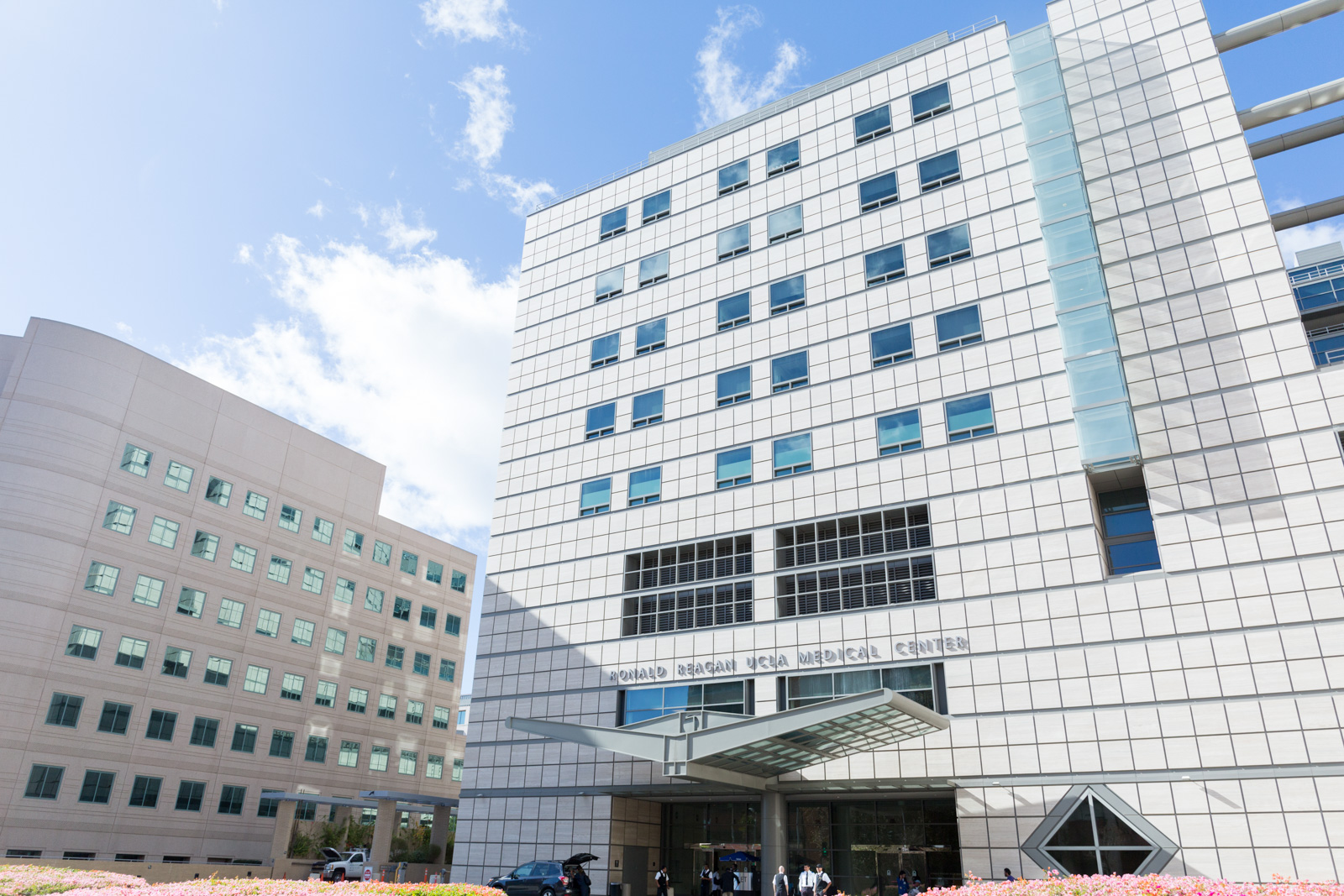
Robotic surgery is expensive but its long-term health benefits might pay off in the long run. Chris Childers, a general surgery resident at the Ronald Reagan UCLA Medical Center, analyzed financial statements of Intuitive Surgical, a leading surgery robot manufacturer, to evaluate how cost-effective robotic surgery is. Read more...

Photo: Erik Dutson, a general surgeon at Ronald Reagan UCLA Medical Center, said he thinks robots reduce complications in surgery and make up for cost. (MacKenzie Coffman/Assistant Photo editor)


UCLA resident physicians continue negotiations over salary and housing stipend

Resident physicians at UCLA will continue bargaining with the university over their salaries, an incomplete housing stipend and other benefits after more than four months of negotiation. Read more...

Photo: UCLA David Geffen School of Medicine administrators promised a $5,000 stipend and allotted an extra $1,250 per stipend to cover taxes. However, psychiatry resident Michael Mensah said in the email chain he consulted an experienced payroll manager and concluded nearly $3,500, not $1,250, were needed to cover taxes. (Liz Ketcham/Assistant Photo editor)


Professors of economics and engineering awarded Sloan Research Fellowship

Three UCLA professors were awarded fellowships to continue research in their respective fields Tuesday. Denis Chetverikov, Yongjie Hu and Aaswath Raman were among 126 United States and Canadian researchers who received the 2019 Sloan Research Fellowship. Read more...

Photo: UCLA professors Denis Chetverikov, Yongjie Hu and Aaswath Raman received $70,000 from the 2019 Sloan Research Fellowship for their research. (Courtesy of UCLA Newsroom)


Lowered brain cell growth may lead to poor sleep patterns in elderly, study shows

Poor sleep among the elderly may be a result of declining brain cell growth and development, according to UCLA researchers. Researchers in the lab of Noor Alam, an adjunct professor of medicine at UCLA and a research physiologist in the Veterans Affairs Greater Los Angeles Healthcare System, described how declining neural development may cause difficulty falling asleep or staying awake in aging individuals in a study published February. Read more...


Healthy Campus Initiative grows in scope with community gardening event

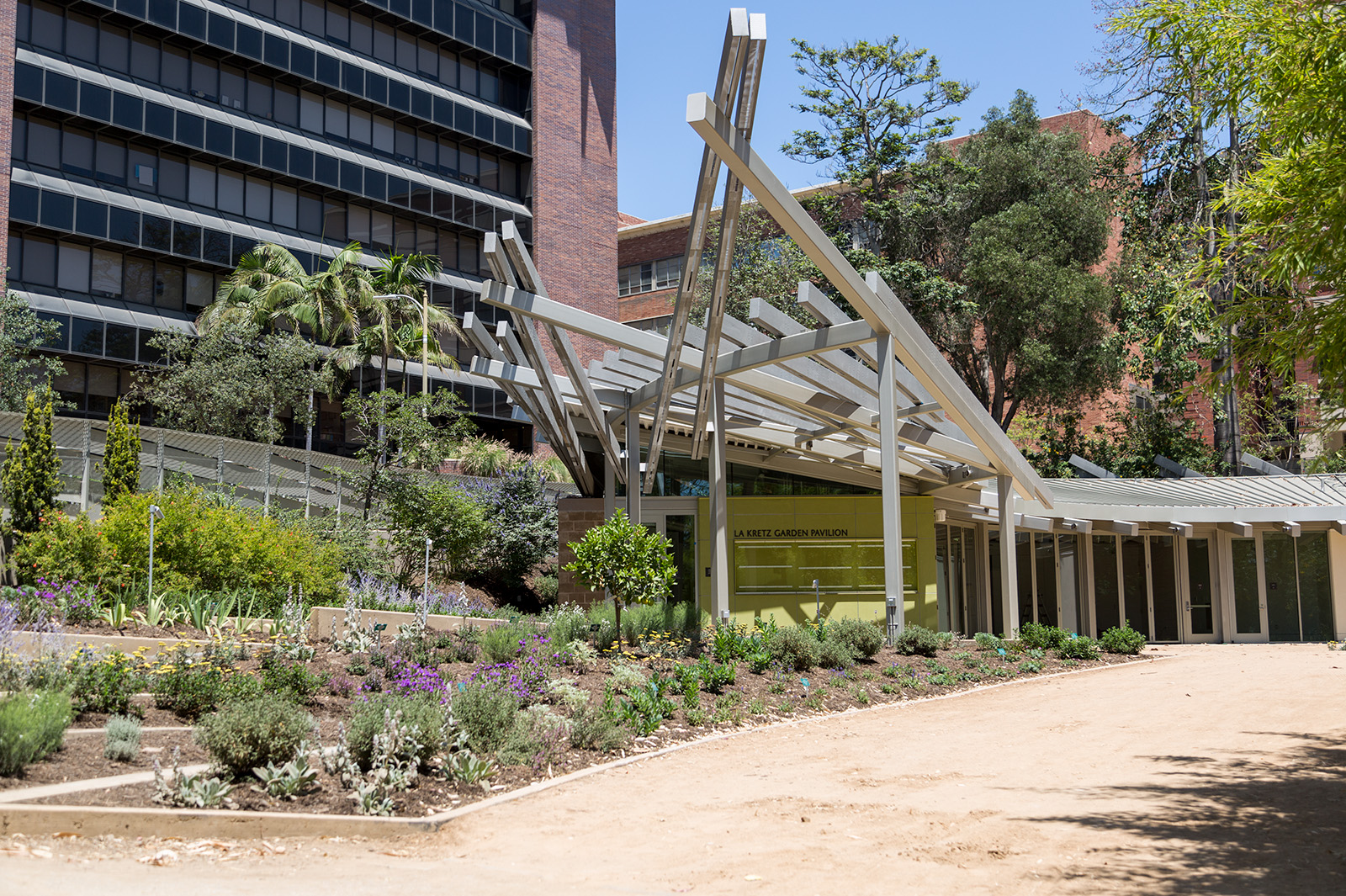
This post was updated Feb. 21 at 2:29 p.m. A campus initiative is working to centralize the various health and sustainability projects on campus to tackle issues of physical, mental and emotional well-being. Read more...

Photo: The Semel Healthy Campus Initiative Center organized a community gardening event Tuesday to teach staff members about growing their own food. (Emily Ng/Daily Bruin)


Genome of aquarium sea otter to contribute to research, conservation efforts

A UCLA graduate student sequenced a sea otter genome to understand how the species almost went extinct hundreds of years ago. Annabel Beichman, the graduate student leading the project, sequenced the genome of Gidget, a sea otter from the Monterey Bay Aquarium who passed away Feb. Read more...

Photo: UCLA graduate student Annabel Beichman said she thinks she was the first researcher to acquire a sea otter genome. (Lauren Man/Daily Bruin)


Researchers develop more accurate method of determining age of death

UCLA researchers have developed a new tool to predict when someone will die, but don’t start planning your funeral yet. In a study published last month in the journal Aging, researchers in the lab of Steve Horvath, a professor of human genetics and biostatistics, developed a new method of predicting the population lifespans that is 14 percent more accurate than previous methods. Read more...

Photo: (Jennie Wang/Daily Bruin)


1 134 135 136 137 138 339