Monday, February 16

Development of haptic sensors allows for physical feedback in robotic surgery

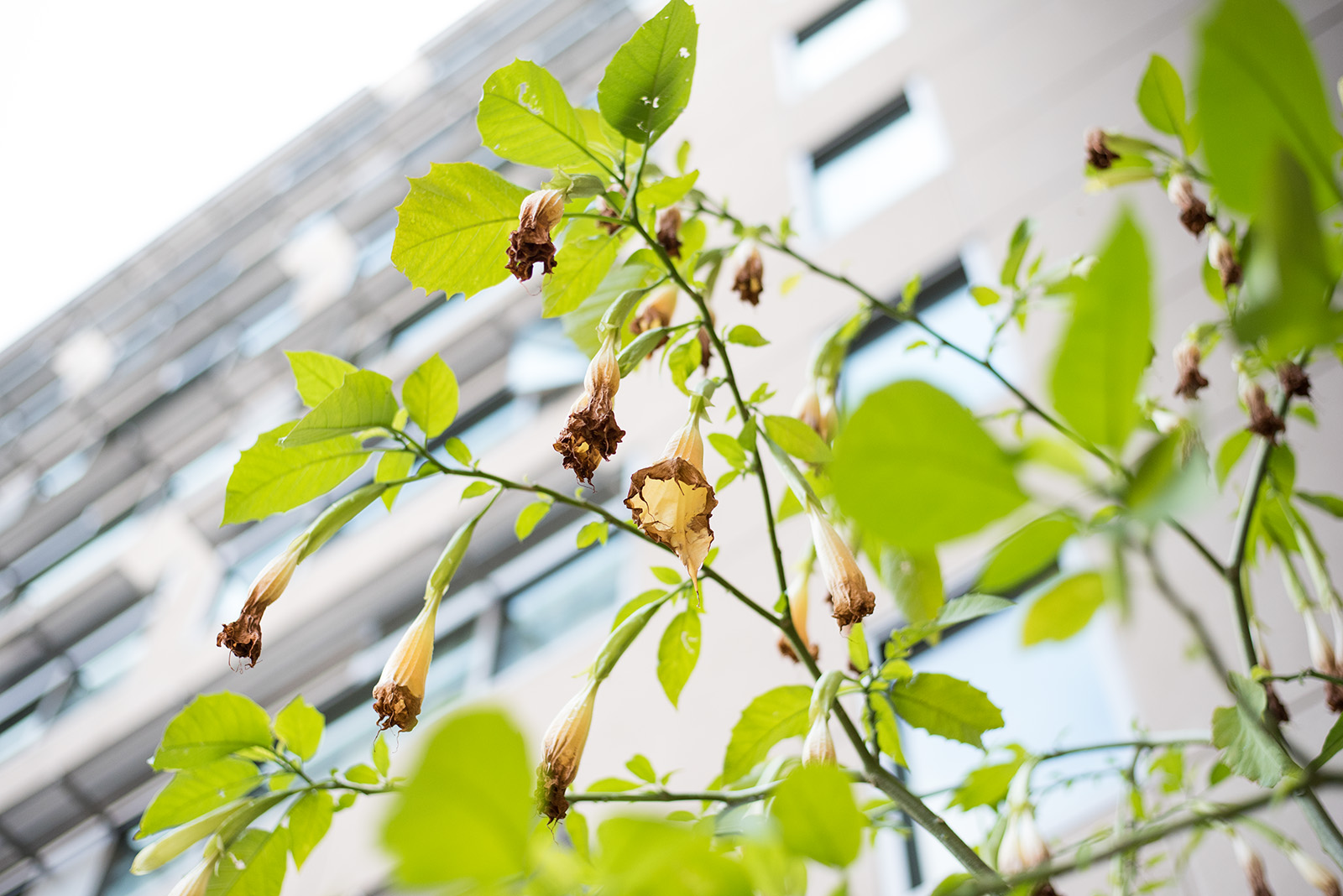
UCLA engineers developed a novel sensor that could add a sense of “touch” to robotic surgery. Robert Candler, an associate professor of electrical engineering, helped develop a haptic feedback sensor that, when placed on the tips of surgical instruments, would provide feedback on the various forces exerted on body tissues to better guide surgery. Read more...

Photo: New sensors developed by UCLA researchers can be placed upon surgical tools to offer physical feedback during robotic surgery. Each one is no larger than a quarter. (Deepto Mizan/Daily Bruin)


Harvard professor lectures at UCLA on implications of subconscious biases

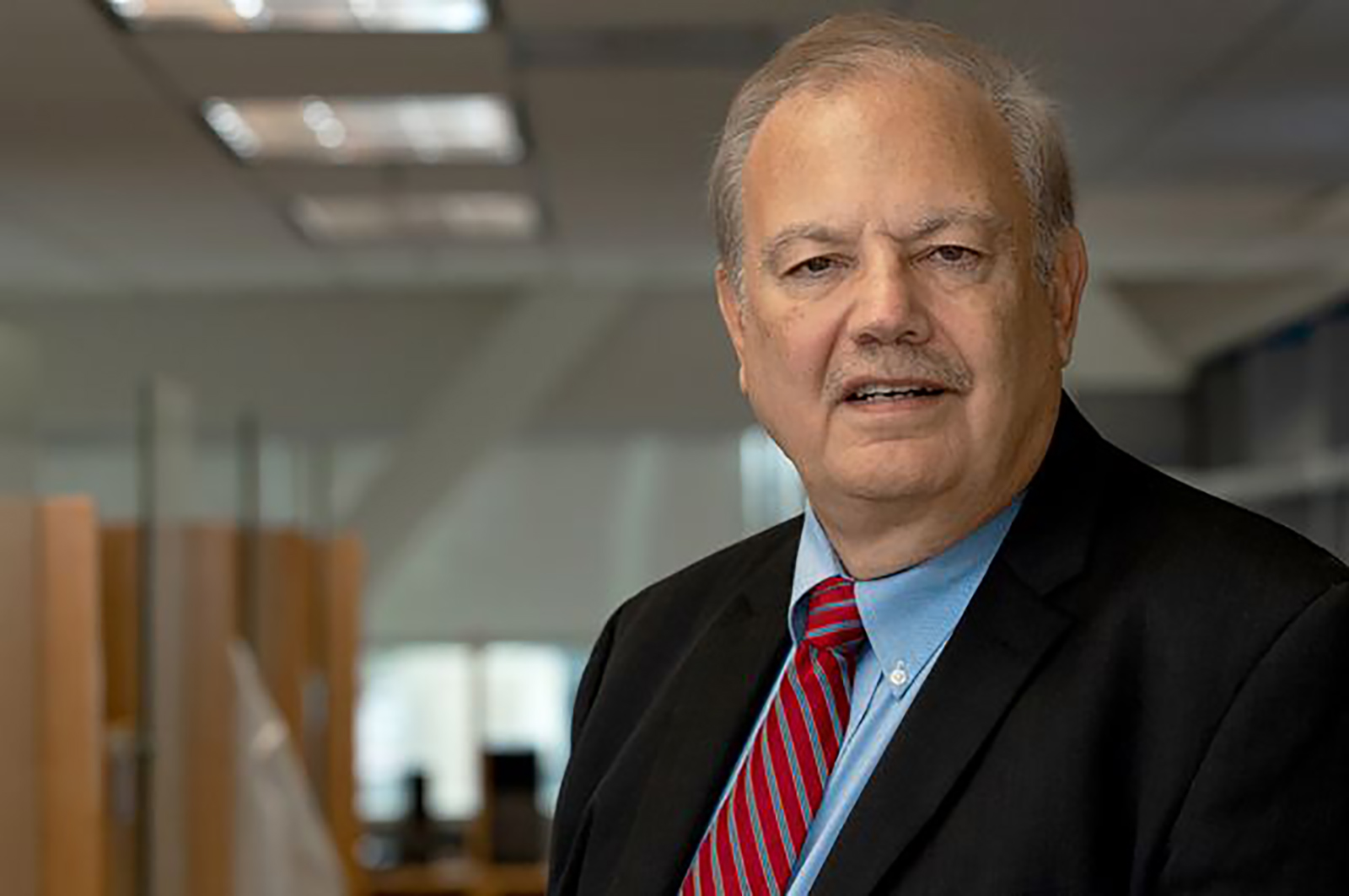
A Harvard Professor said everyone has implicit biases they may not even realize at an event Saturday. Mahzarin Banaji, a professor and administrative chair at Harvard University, spoke at the California Nanosystems Institute at UCLA regarding how implicit biases affect the way society thinks and the implications it has on those that society is biased against. Read more...

Photo: Mahzarin Banaji, a professor and administrative chair at Harvard University, spoke at the California Nanosystems Institute at UCLA regarding how implicit biases affect the way society thinks and their implications. (Daniel Leibowitz/Daily Bruin staff)


David Geffen School of Medicine raises admission standards, incites controversy

The medical school is raising admission standards for next year’s applicants. The David Geffen School of Medicine is raising its math and science GPA and MCAT cutoff scores to 3.4 and 512, respectively, according to a policy proposal released by school of medicine faculty and students. Read more...

Photo: The David Geffen School of Medicine is raising its math and science GPA and MCAT cutoff scores to 3.4 and 512, respectively. Many students said they are worried this will negatively affect the school’s diversity. (Daily Bruin file photo)


Researchers develop device allowing easier detection of parasites in blood

UCLA researchers have developed a device that detects the presence of certain parasites in blood or other bodily fluids. The device has the ability to detect small parasites, such as Trichomonas vaginalis, which can cause trichomoniasis, a common sexually transmitted disease. Read more...

Photo: UCLA researchers developed a device able to detect parasites in blood with relative ease and at a low cost. Hatice Ceylan Koydemir, a postdoctoral researcher and co-author of the study about the technology, said the low cost could make it more accessible in areas of Africa. (Courtesy of UCLA Newsroom)


Faculty express concerns over lack of diversity in UCLA Health’s hiring process

Roughly 200 doctors snapped, cheered and hissed at administrators during a town hall over concerns that the administration did not prioritize diversity. Faculty clashed with David Geffen School of Medicine administrators over questions surrounding the replacement of Peter Whybrow at a town hall Thursday. Read more...

Photo: Faculty at the David Geffen School of Medicine challenged administrators’ commitment to diversity at a town hall Thursday. A committee to select the new psychiatry and biobehavioral sciences chair and director of the Semel Institute for Neuroscience and Human Behavior is made up of seven white men, three white women and one Latino man. (Anirudh Keni/Daily Bruin)


1 138 139 140 141 142 339